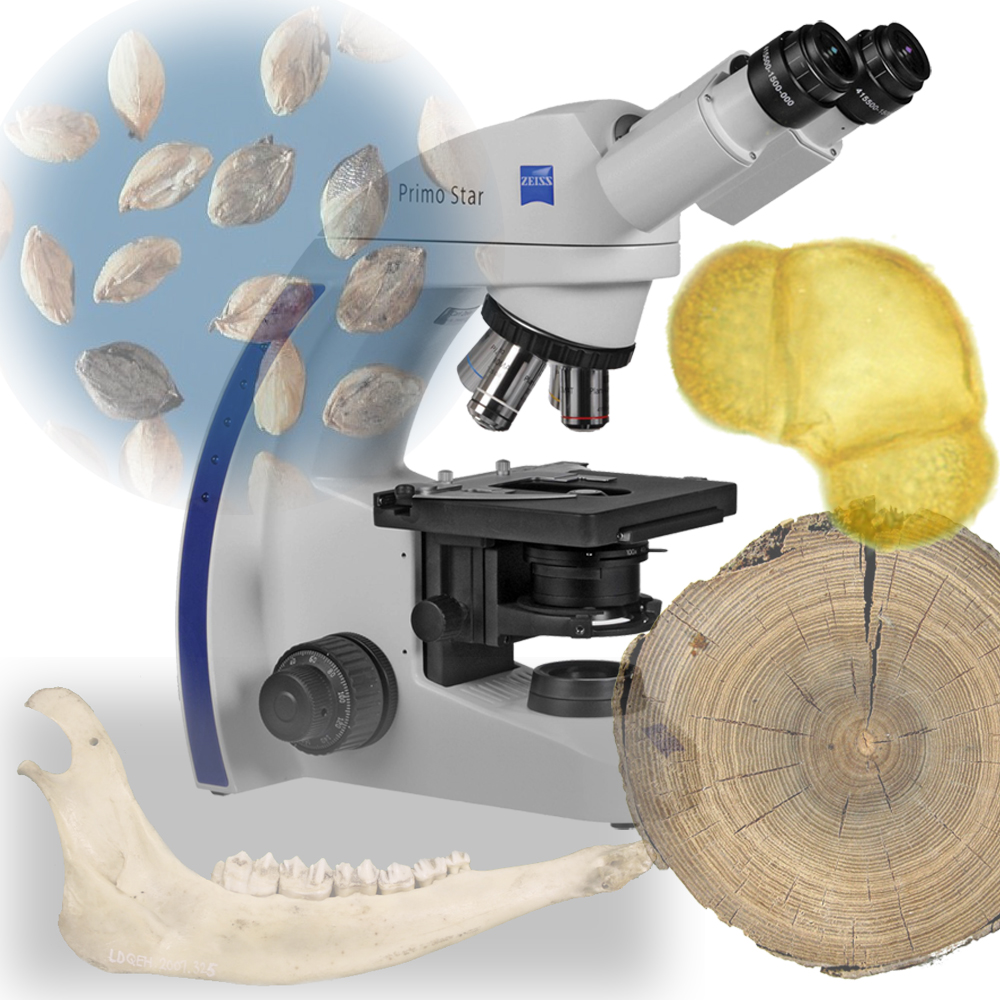
Laboratory of Natural Science Methods in Archaeology
The first attempts at broadly and comprehensively applying methods from the natural and technical sciences to the study of archaeological material at the Institute of Archaeology of the Russian Academy of Sciences (then the Institute of the History of Material Culture of the USSR Academy of Sciences) date back to 1959–1960. B.A. Kolchin was the initiator and active organizer of these progressive scientific fields.
In 1960, the so-called offices (groups) of dendrochronology, spectral analysis, metallography, petrography, archaeomagnetic method, palynology, and archaeozoology were formed and began functioning; however, until 1967, all of these groups were formally part of the laboratory for office processing.
In 1967, the laboratory of natural science methods was separated into a separate scientific division of the Institute. B.A. Kolchin was appointed the first director of the laboratory at that time, and he held this position until his death in early 1984. Since then, the division has been headed by Corresponding Member of the Russian Academy of Sciences, Doctor of Historical Sciences E.N. Chernykh.
Soon—as early as the 1960s—two main and, to varying degrees, promising scientific directions crystallized quite clearly in the laboratory: the history of ancient production and the dating of medieval wooden structures. The research of most laboratory groups focused on various aspects of the history of the productive economy: the history of livestock farming (V.I. Tsalkin) and crop production (A.V. Kiryanov, N.A. Kiryanova, G.N. Lisitsyna); the history of ancient mining and metallurgy of copper and bronze in Eurasia (E.N. Chernykh, T.B. Bartseva, L.B. Orlovskaya, and others); and the history of ironworking (B.A. Kolchin, L.S. Rozanova, N.N. Terekhova, and others). History of ceramic production (A.A. Bobrinsky et al.).
The program of dendrochronological studies of materials from Eastern European medieval cities, fortresses, and churches was conducted primarily by B.A. Kolchin, N.B. Chernykh, and later by A.F. Uryeva. Thanks to the active work of the groups on the history of ancient mining and metallurgy, as well as dendrochronology, the laboratory created extensive databases of the studied materials; these databases remain the largest compared to the collections of other similar laboratories in other countries of Eurasia and the Americas.
In the 1980s and early 1990s, significant changes occurred in the structure and nature of the laboratory's activities. Due to the severe economic crisis, a number of analytical programs (primarily spectral analysis studies) were curtailed or even discontinued altogether. In response, the focus shifted to the application and development of computer technologies for processing the accumulated enormous databases. New staff members joined the laboratory: S.V. Kuzminykh, T.O. Teneyshvili, E.Yu. Lebedeva, E.E. Antipina, E.A. Spiridonova, and others. Expeditionary activity also intensified: a key achievement here was the discovery and comprehensive study in 1990–1999 of the Kargalinsky mining and metallurgical center in the Southern Urals, the most powerful and oldest in Northern Eurasia.
In December 2012, the Institute of Archaeology of the Russian Academy of Sciences hosted a conference, "Megastructure of the Eurasian World: Main Stages of Formation," with the active participation of laboratory staff. The materials presented at the conference reflect the main findings of research conducted within the framework of the eponymous program of initiative projects for oriented fundamental research, supported in 2011–2012 by the Russian Foundation for Basic Research (RFBR).
Currently, the laboratory staff’s research is being conducted within the framework of the collective planned topic “Study of the structure and dynamics of the development of ancient and medieval cultures based on natural science methods: paleoecology, life support models, absolute chronology” (2014–2016; Head of the Department: Corresponding Member of the Russian Academy of Sciences, Doctor of Historical Sciences E.N. Chernykh).
In 1960, the so-called offices (groups) of dendrochronology, spectral analysis, metallography, petrography, archaeomagnetic method, palynology, and archaeozoology were formed and began functioning; however, until 1967, all of these groups were formally part of the laboratory for office processing.
In 1967, the laboratory of natural science methods was separated into a separate scientific division of the Institute. B.A. Kolchin was appointed the first director of the laboratory at that time, and he held this position until his death in early 1984. Since then, the division has been headed by Corresponding Member of the Russian Academy of Sciences, Doctor of Historical Sciences E.N. Chernykh.
Soon—as early as the 1960s—two main and, to varying degrees, promising scientific directions crystallized quite clearly in the laboratory: the history of ancient production and the dating of medieval wooden structures. The research of most laboratory groups focused on various aspects of the history of the productive economy: the history of livestock farming (V.I. Tsalkin) and crop production (A.V. Kiryanov, N.A. Kiryanova, G.N. Lisitsyna); the history of ancient mining and metallurgy of copper and bronze in Eurasia (E.N. Chernykh, T.B. Bartseva, L.B. Orlovskaya, and others); and the history of ironworking (B.A. Kolchin, L.S. Rozanova, N.N. Terekhova, and others). History of ceramic production (A.A. Bobrinsky et al.).
The program of dendrochronological studies of materials from Eastern European medieval cities, fortresses, and churches was conducted primarily by B.A. Kolchin, N.B. Chernykh, and later by A.F. Uryeva. Thanks to the active work of the groups on the history of ancient mining and metallurgy, as well as dendrochronology, the laboratory created extensive databases of the studied materials; these databases remain the largest compared to the collections of other similar laboratories in other countries of Eurasia and the Americas.
In the 1980s and early 1990s, significant changes occurred in the structure and nature of the laboratory's activities. Due to the severe economic crisis, a number of analytical programs (primarily spectral analysis studies) were curtailed or even discontinued altogether. In response, the focus shifted to the application and development of computer technologies for processing the accumulated enormous databases. New staff members joined the laboratory: S.V. Kuzminykh, T.O. Teneyshvili, E.Yu. Lebedeva, E.E. Antipina, E.A. Spiridonova, and others. Expeditionary activity also intensified: a key achievement here was the discovery and comprehensive study in 1990–1999 of the Kargalinsky mining and metallurgical center in the Southern Urals, the most powerful and oldest in Northern Eurasia.
In December 2012, the Institute of Archaeology of the Russian Academy of Sciences hosted a conference, "Megastructure of the Eurasian World: Main Stages of Formation," with the active participation of laboratory staff. The materials presented at the conference reflect the main findings of research conducted within the framework of the eponymous program of initiative projects for oriented fundamental research, supported in 2011–2012 by the Russian Foundation for Basic Research (RFBR).
Currently, the laboratory staff’s research is being conducted within the framework of the collective planned topic “Study of the structure and dynamics of the development of ancient and medieval cultures based on natural science methods: paleoecology, life support models, absolute chronology” (2014–2016; Head of the Department: Corresponding Member of the Russian Academy of Sciences, Doctor of Historical Sciences E.N. Chernykh).
Employees
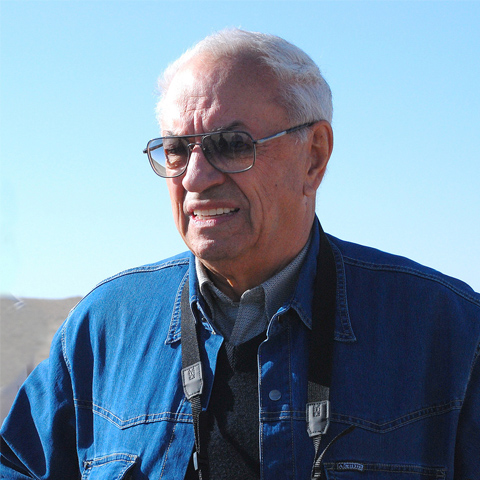
Chernykh Evgeny Nikolaevich
Chief Researcher at the Laboratory of Natural Science Methods in Archaeology, Corresponding Member of RAS, Doctor of History, Professor
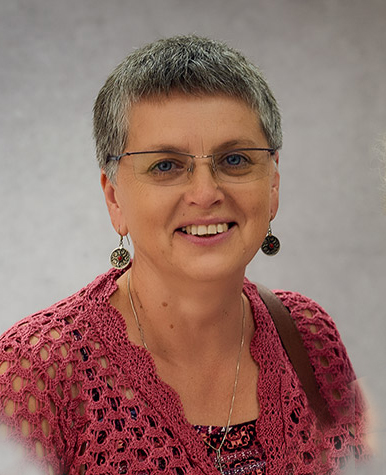
Aleshinskaya Anna Sergeevna
Head of the Laboratory of Natural Science Methods in Archaeology, PhD in Geography
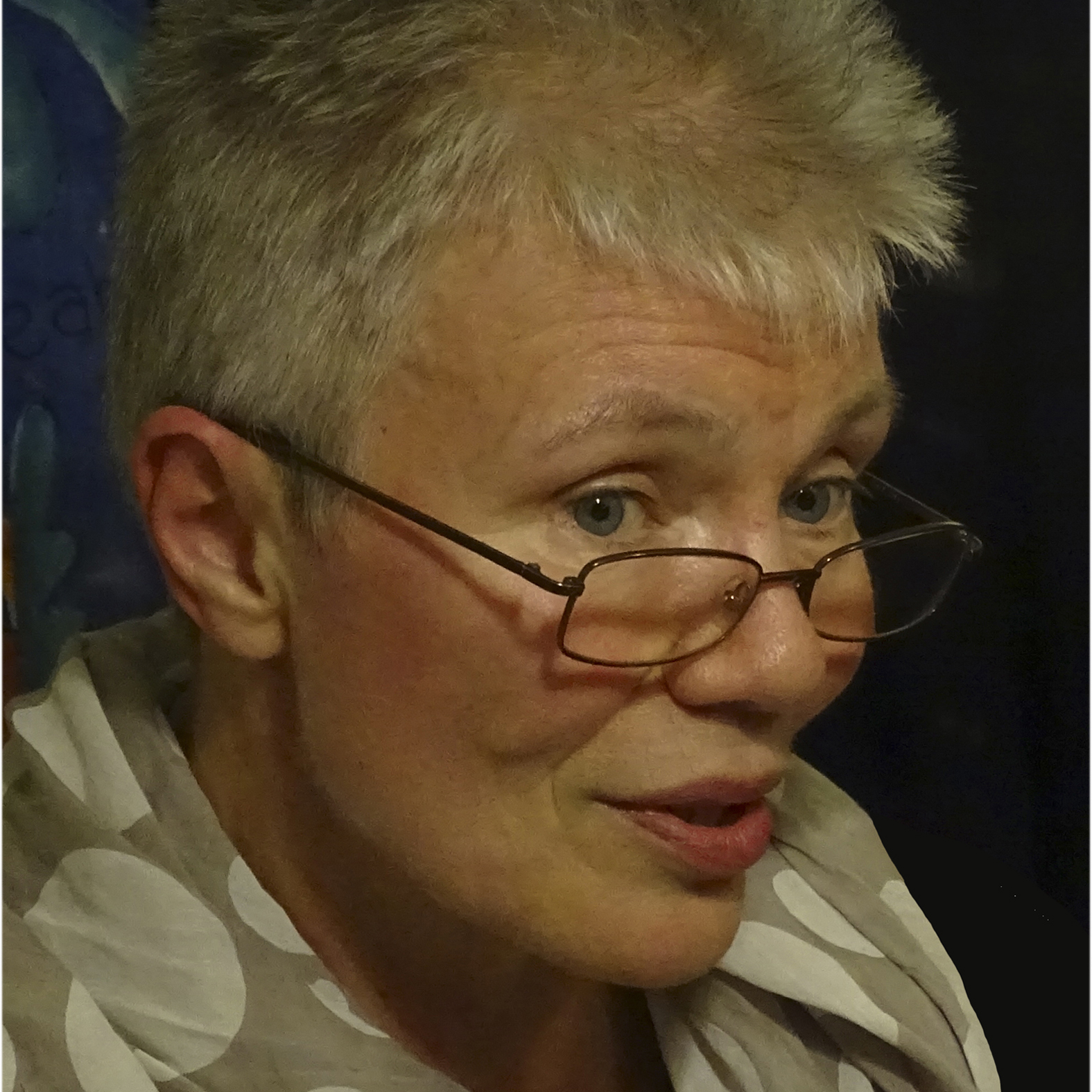
Antipina Ekaterina Evstafievna
Senior Research Fellow at the Laboratory of Natural Science Methods in Archaeology, PhD in Biology
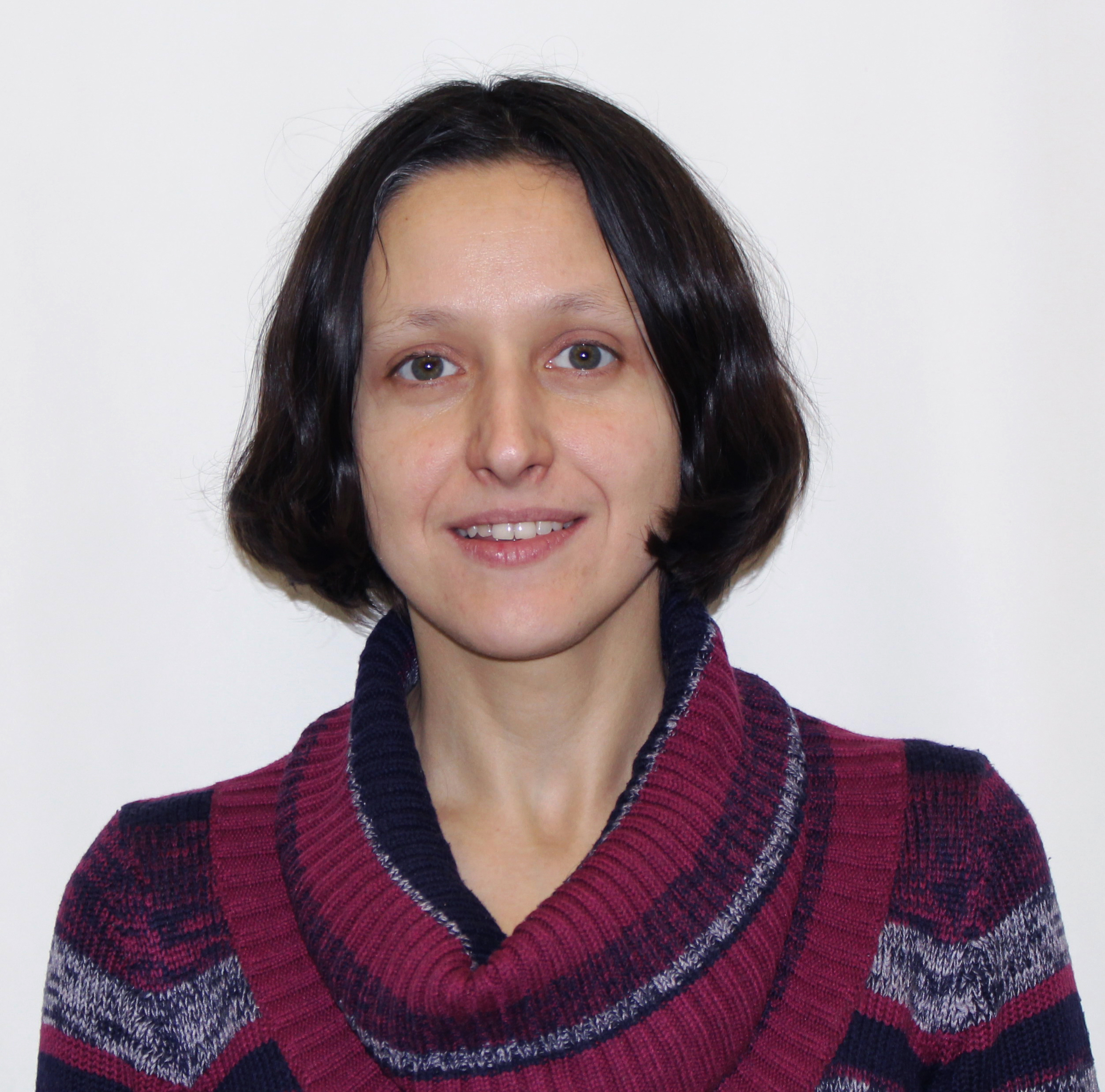
Babenko Anna Nikolaevna
Researcher at the Laboratory of Natural Science Methods in Archaeology, PhD in Biology
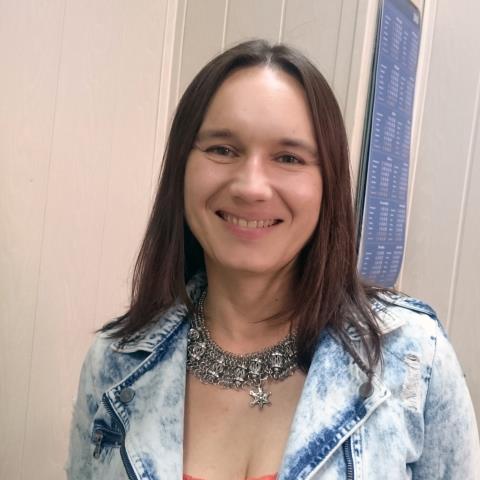
Solovyova Lydia Nickolaevna
Junior Research Fellow at the Laboratory of Natural Science Methods in Archaeology
Zavyalov Vladimir Igorevich
Leading Researcher at the Laboratory of Natural Science Methods in Archaeology, Doctor of History
Karpukhin Alexey Alexandrovich
Research Fellow at the Laboratory of Natural Science Methods in Archaeology
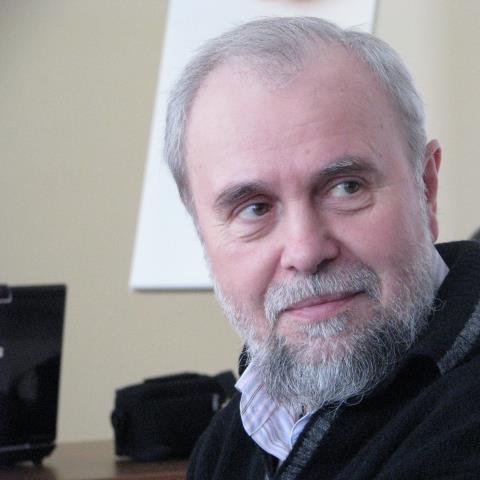
Kuzminykh Sergey Vladimirovich
Leading Researcher at the Laboratory of Natural Science Methods in Archaeology, PhD in History
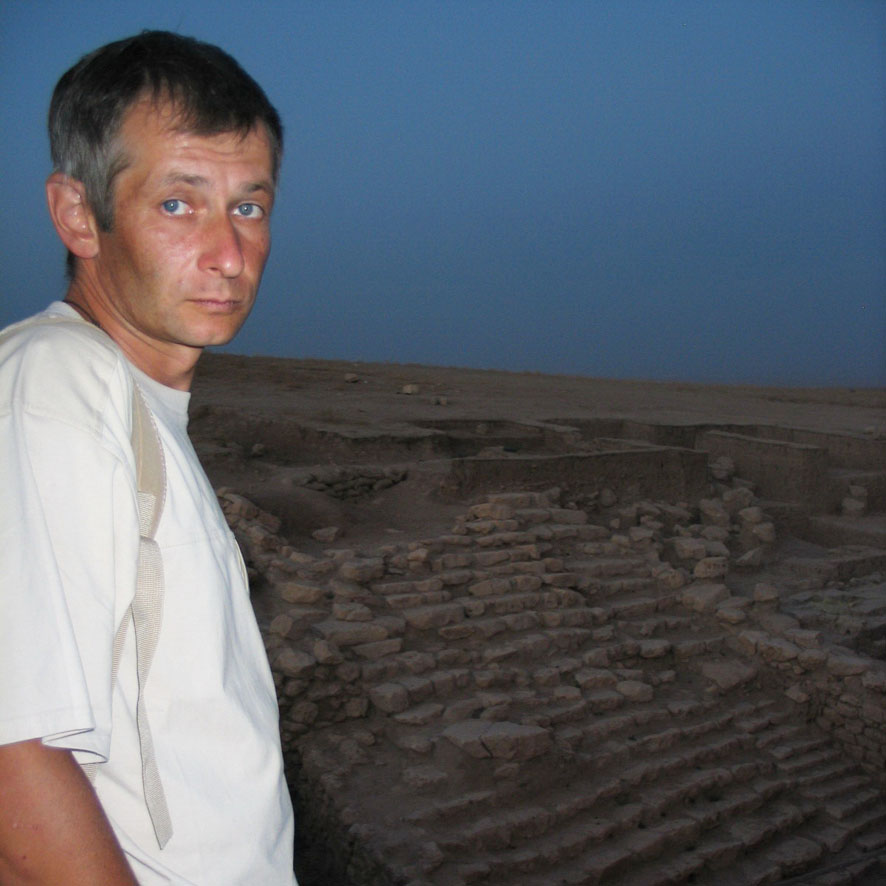
Lunkov Vladimir Yurievich
Research Fellow at the Laboratory of Natural Science Methods in Archaeology
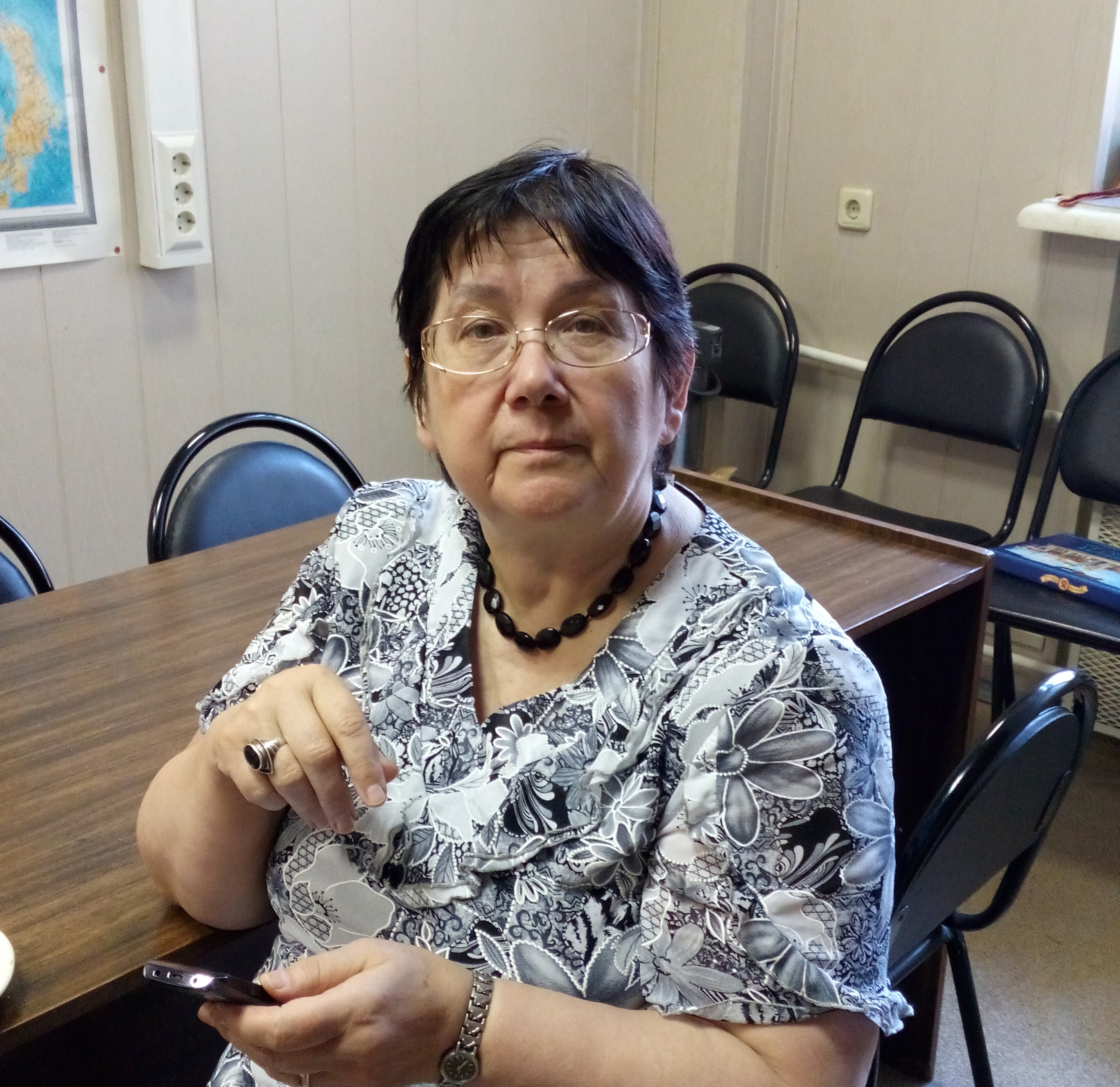
Orlovskaya Lubov Boleslavovna
Senior Research Fellow at the Laboratory of Natural Science Methods in Archaeology
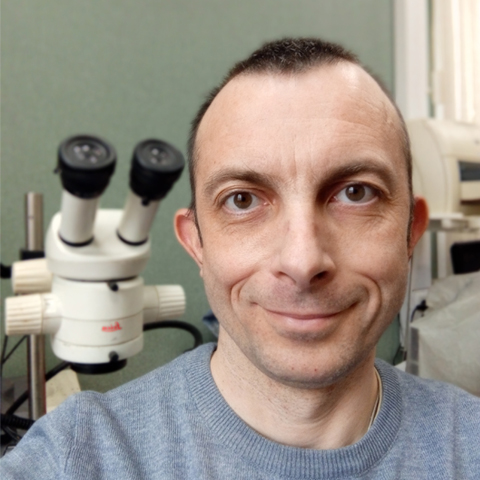
Rudakov Vladimir Mikhaylovich
Researcher at the Laboratory of Natural Science Methods in Archaeology
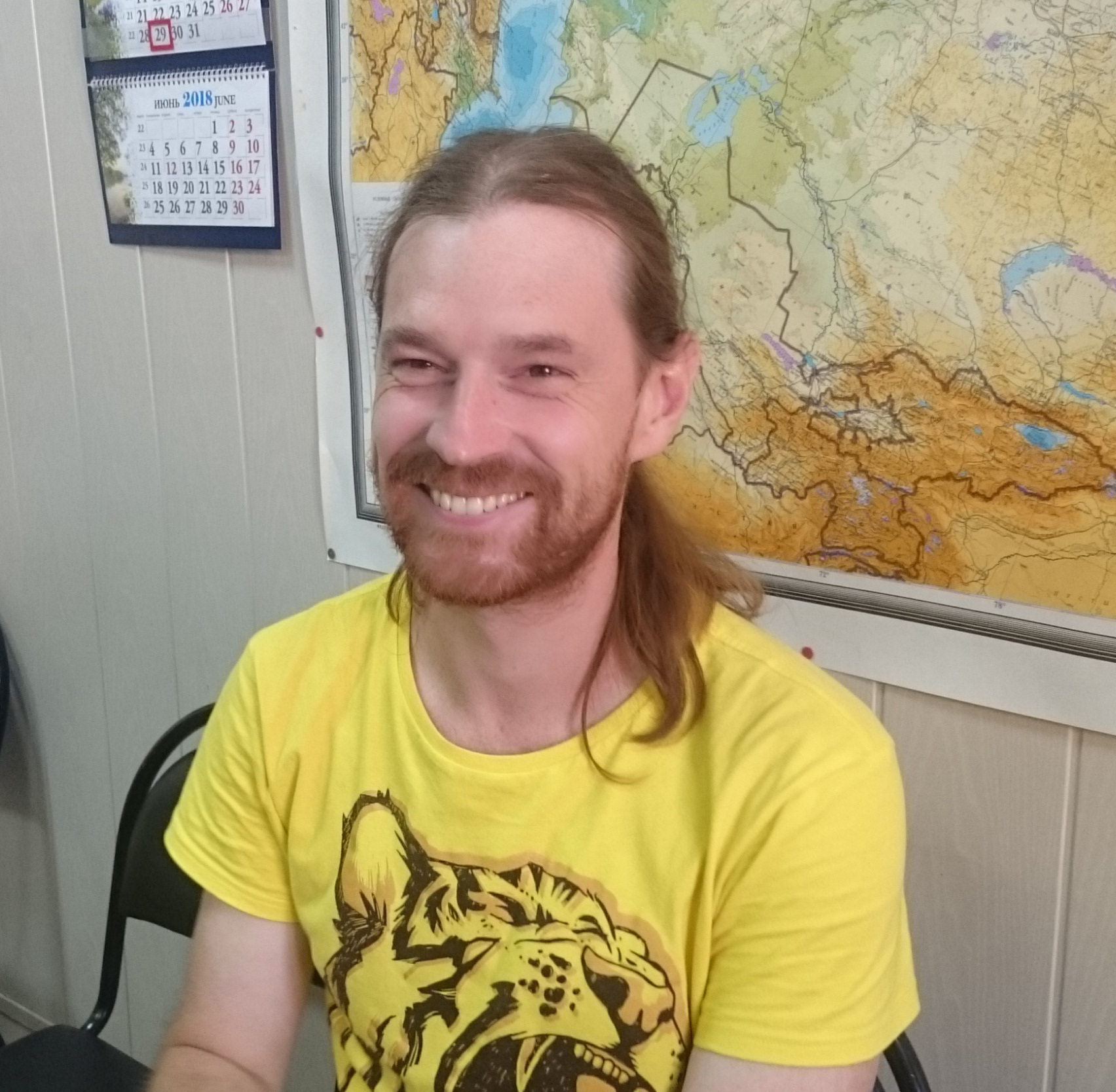
Sergeev Alexey Yurievich
Junior Research Fellow at the Laboratory of Natural Science Methods in Archaeology
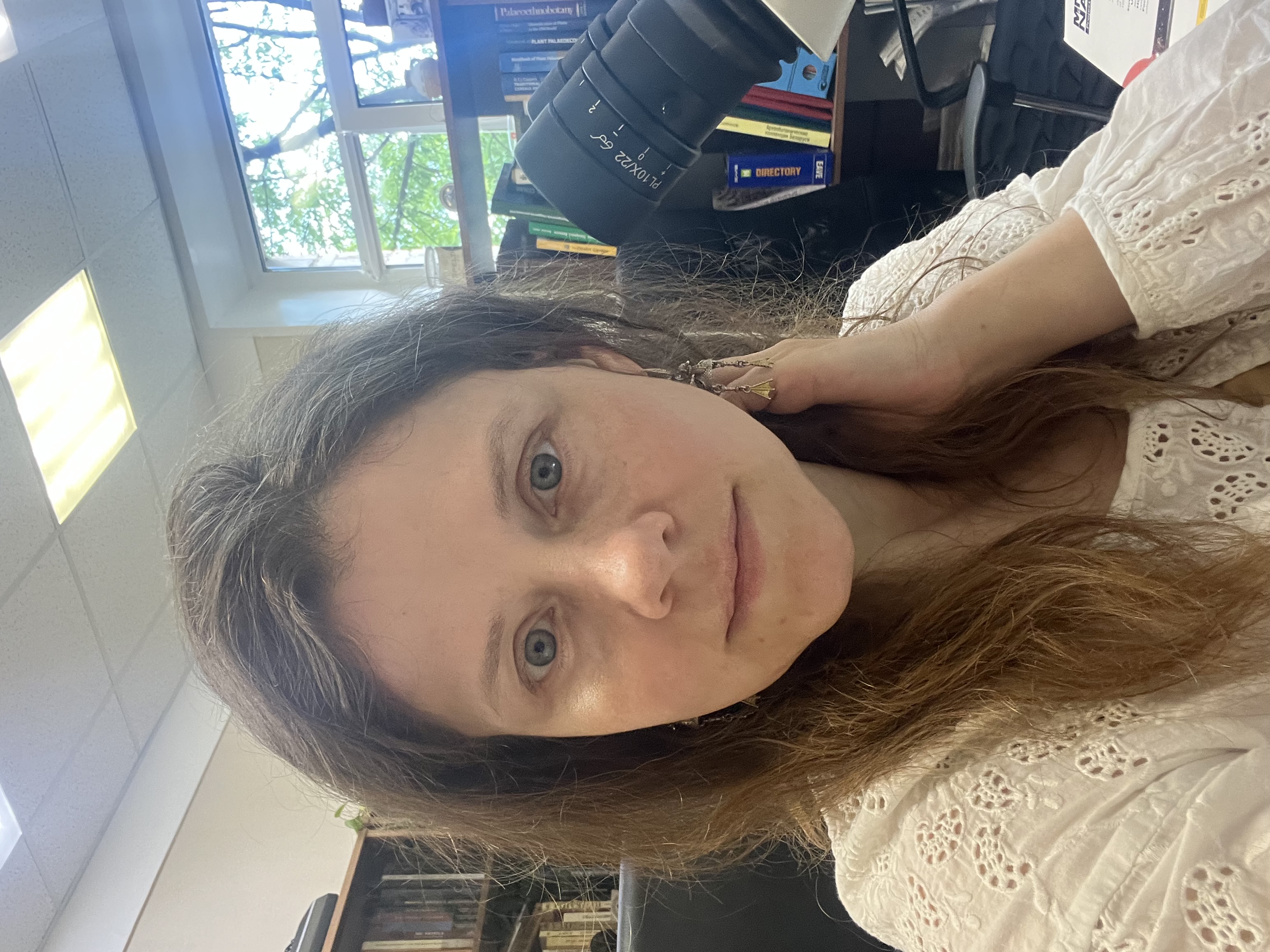
Serezhnikova Darya Sergeevna
Junior Research Fellow at the Laboratory of Natural Science Methods in Archaeology, PhD in History
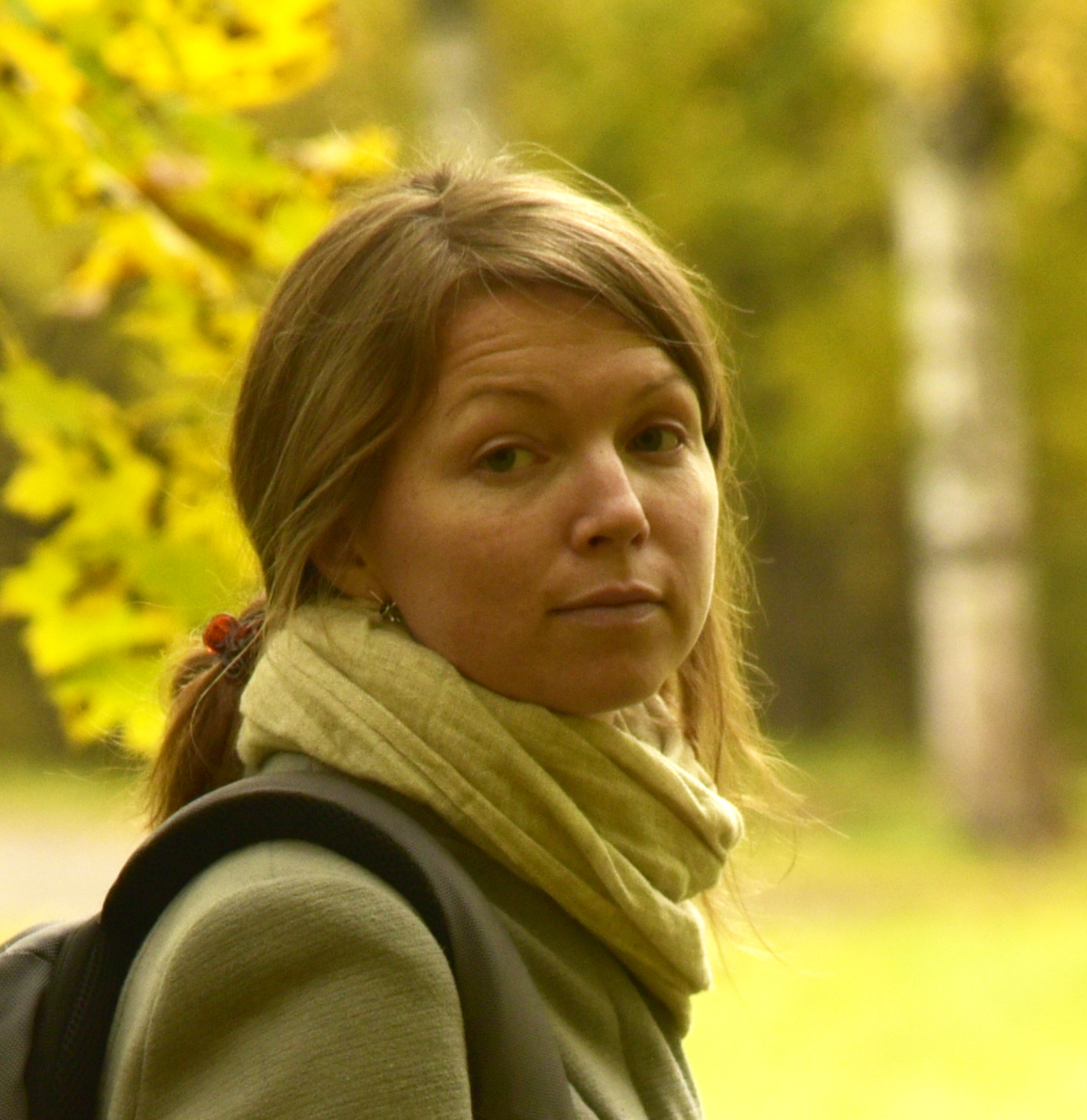
Troshina Alla Andreyevna
Junior Research Fellow at the Laboratory of Natural Science Methods in Archaeology, PhD in History
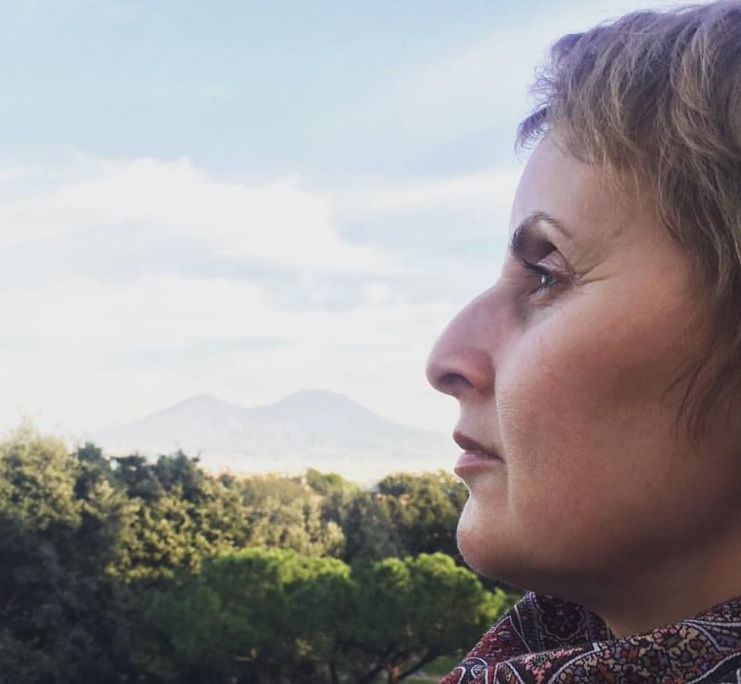
Yavorskaya Lilia Vyacheslavovna
Senior Research Fellow at the Laboratory of Natural Science Methods in Archaeology, PhD in History, Academic Secretary of the Laboratory