Department of Classical Archeology
The Classical Archaeology Sector, a specialized scientific division of the Institute of the History of the Material Culture (IIMK), was established in 1944 on the initiative of Professor V.D. Blavatsky, who became its first head. In subsequent years, the Sector, and then the Department of Classical Archaeology, were headed by N.I. Sokolsky, I.T. Kruglikova, and Corresponding Member of the Russian Academy of Sciences G.A. Koshelenko. Since 2007, the Department of Classical Archaeology has been headed by Doctor of Historical Sciences V.D. Kuznetsov.
Since its establishment, the Sector has had two objectives: large-scale fieldwork to study the monuments of classical civilization on the northern shores of the Black Sea and the creation of comprehensive studies on various aspects and problems of the history of classical society, the ancient states of the region, and their connections with the local population.
The sector's staff conducted archaeological excavations in Chersonesos and its chora, in Panticapaeum, in various areas of Eastern Crimea, in Phanagoria, in Anapa, in many areas of the Taman Peninsula, in the vicinity of Novorossiysk, and in Tanais. The Panticapaeum Expedition was particularly important in the 1950s, when, over the course of several years, researchers from several scientific institutions across the country conducted a joint expedition to explore the capital of the Bosporan Kingdom.
At the same time, exploration of rural areas on the Taman Peninsula and in Crimea began. Particularly noteworthy were underwater archaeological research and the introduction of modern scientific methods into fieldwork practices—geological and geophysical surveys, and the use of aerial photography.
The fieldwork area gradually expanded. Work began in Central Asia and then in Afghanistan, exploring monuments from the Hellenistic period.
Currently, the department's staff is conducting fieldwork in Phanagoria, Tanais, Gorgipia, at several sites in Eastern Crimea, on the Taman Peninsula, and in Turkmenistan.
In recent years, particular attention has been paid to the following research topics: the main features of Greek colonization in the northern Black Sea region, the compilation of detailed archaeological maps of several areas, the study of the nature of ancient rural settlements and their evolution, the study of the transition from antiquity to the Middle Ages in Crimea, and the study of amphora containers.
The department's research is being conducted within the framework of the collective planned theme "The Northern Black Sea Region and Central Asia in Classical and Early Medieval Times: Material and Spiritual Culture and Ethnic Processes" (2014-2016; Head: Doctor of History V.D. Kuznetsov). This topic explores the development of societies and states on the periphery of the ancient world, from their inception to their gradual transformation into new political, historical, and cultural entities. The geographic scope of the study encompasses the Crimean and Taman peninsulas, the Abrau Peninsula, the Lower Don region, and several historical regions of Central Asia—Parthia, Margiana, and Bactria. The broad chronological scope of the topic allows us to examine various aspects of the political history of these regions, their material and spiritual culture, the ethnic processes that took place there, and the interactions between various ethnocultural communities in specific historical contexts. It also identifies continuity and innovations.
The department's staff is very active in publishing: it publishes the periodicals "Problems of History, Philology, and Culture" (in collaboration with Magnitogorsk State University), "Bosporan Antiquities," and "Altertümer Phanagorias" (in collaboration with the Seminar on Ancient History at the University of Göttingen). With the participation of the department's staff, the three-volume academic publication "The Ancient Heritage of Kuban" (edited by G.M. Bongard-Levin and V.D. Kuznetsov) was published. In 2012, publication of the series "Phanagoria: Materials on the History and Archaeology of Phanagoria" (edited by V.D. Kuznetsov) began.
Every February, the department hosts roundtables on the most pressing topics in ancient archaeology, inviting specialists from leading Russian educational and scientific organizations. It has become a tradition to hold the international roundtable "The Ancient Heritage of Kuban" in October. The first session was held in conjunction with the opening of the Phanagoria Expedition Scientific and Cultural Center at the excavation site of the ancient monument. Department meetings are held on Tuesdays from October to June at the following address: Profsoyuznaya Metro Station, Krzhizhanovskogo Street, 14, Bldg. 2, office 539-541 (V.D. Blavatsky Memorial Library). Starts at 2:00 PM. Schedule of meetings of the Classical Archaeology Department for April 8, 2014. E.V. Zakharov. Archaeological research on the territory of the settlement of Garkusha I (Patraeus) in 2013.
Since its establishment, the Sector has had two objectives: large-scale fieldwork to study the monuments of classical civilization on the northern shores of the Black Sea and the creation of comprehensive studies on various aspects and problems of the history of classical society, the ancient states of the region, and their connections with the local population.
The sector's staff conducted archaeological excavations in Chersonesos and its chora, in Panticapaeum, in various areas of Eastern Crimea, in Phanagoria, in Anapa, in many areas of the Taman Peninsula, in the vicinity of Novorossiysk, and in Tanais. The Panticapaeum Expedition was particularly important in the 1950s, when, over the course of several years, researchers from several scientific institutions across the country conducted a joint expedition to explore the capital of the Bosporan Kingdom.
At the same time, exploration of rural areas on the Taman Peninsula and in Crimea began. Particularly noteworthy were underwater archaeological research and the introduction of modern scientific methods into fieldwork practices—geological and geophysical surveys, and the use of aerial photography.
The fieldwork area gradually expanded. Work began in Central Asia and then in Afghanistan, exploring monuments from the Hellenistic period.
Currently, the department's staff is conducting fieldwork in Phanagoria, Tanais, Gorgipia, at several sites in Eastern Crimea, on the Taman Peninsula, and in Turkmenistan.
In recent years, particular attention has been paid to the following research topics: the main features of Greek colonization in the northern Black Sea region, the compilation of detailed archaeological maps of several areas, the study of the nature of ancient rural settlements and their evolution, the study of the transition from antiquity to the Middle Ages in Crimea, and the study of amphora containers.
The department's research is being conducted within the framework of the collective planned theme "The Northern Black Sea Region and Central Asia in Classical and Early Medieval Times: Material and Spiritual Culture and Ethnic Processes" (2014-2016; Head: Doctor of History V.D. Kuznetsov). This topic explores the development of societies and states on the periphery of the ancient world, from their inception to their gradual transformation into new political, historical, and cultural entities. The geographic scope of the study encompasses the Crimean and Taman peninsulas, the Abrau Peninsula, the Lower Don region, and several historical regions of Central Asia—Parthia, Margiana, and Bactria. The broad chronological scope of the topic allows us to examine various aspects of the political history of these regions, their material and spiritual culture, the ethnic processes that took place there, and the interactions between various ethnocultural communities in specific historical contexts. It also identifies continuity and innovations.
The department's staff is very active in publishing: it publishes the periodicals "Problems of History, Philology, and Culture" (in collaboration with Magnitogorsk State University), "Bosporan Antiquities," and "Altertümer Phanagorias" (in collaboration with the Seminar on Ancient History at the University of Göttingen). With the participation of the department's staff, the three-volume academic publication "The Ancient Heritage of Kuban" (edited by G.M. Bongard-Levin and V.D. Kuznetsov) was published. In 2012, publication of the series "Phanagoria: Materials on the History and Archaeology of Phanagoria" (edited by V.D. Kuznetsov) began.
Every February, the department hosts roundtables on the most pressing topics in ancient archaeology, inviting specialists from leading Russian educational and scientific organizations. It has become a tradition to hold the international roundtable "The Ancient Heritage of Kuban" in October. The first session was held in conjunction with the opening of the Phanagoria Expedition Scientific and Cultural Center at the excavation site of the ancient monument. Department meetings are held on Tuesdays from October to June at the following address: Profsoyuznaya Metro Station, Krzhizhanovskogo Street, 14, Bldg. 2, office 539-541 (V.D. Blavatsky Memorial Library). Starts at 2:00 PM. Schedule of meetings of the Classical Archaeology Department for April 8, 2014. E.V. Zakharov. Archaeological research on the territory of the settlement of Garkusha I (Patraeus) in 2013.
Employees
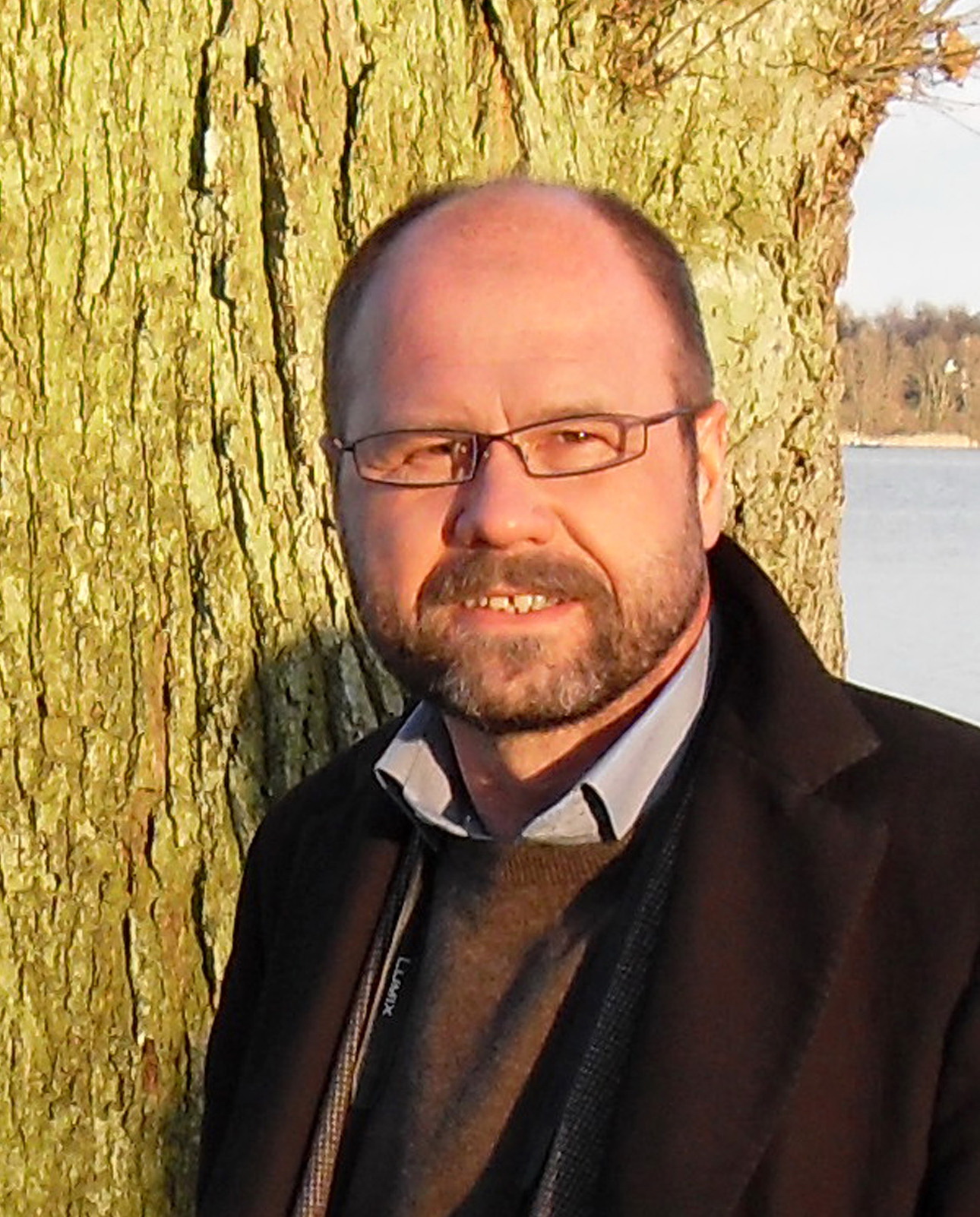
Kuznetsov Vladimir Dmitrievich
Head of the Department of Classical Archaeology, Doctor of History
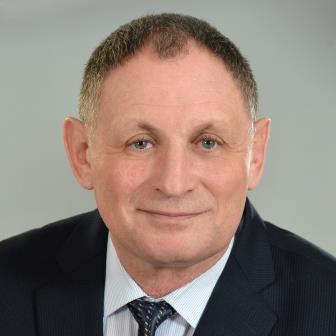
Abramzon Mikhail Grigorievich
Leading Research Fellow at the Department of Classical Archaeology, Doctor of History, Professor

Alekseeva Ekaterina Mikhailovna
Leading Research Fellow at the Department of Classical Archaeology, Doctor of History
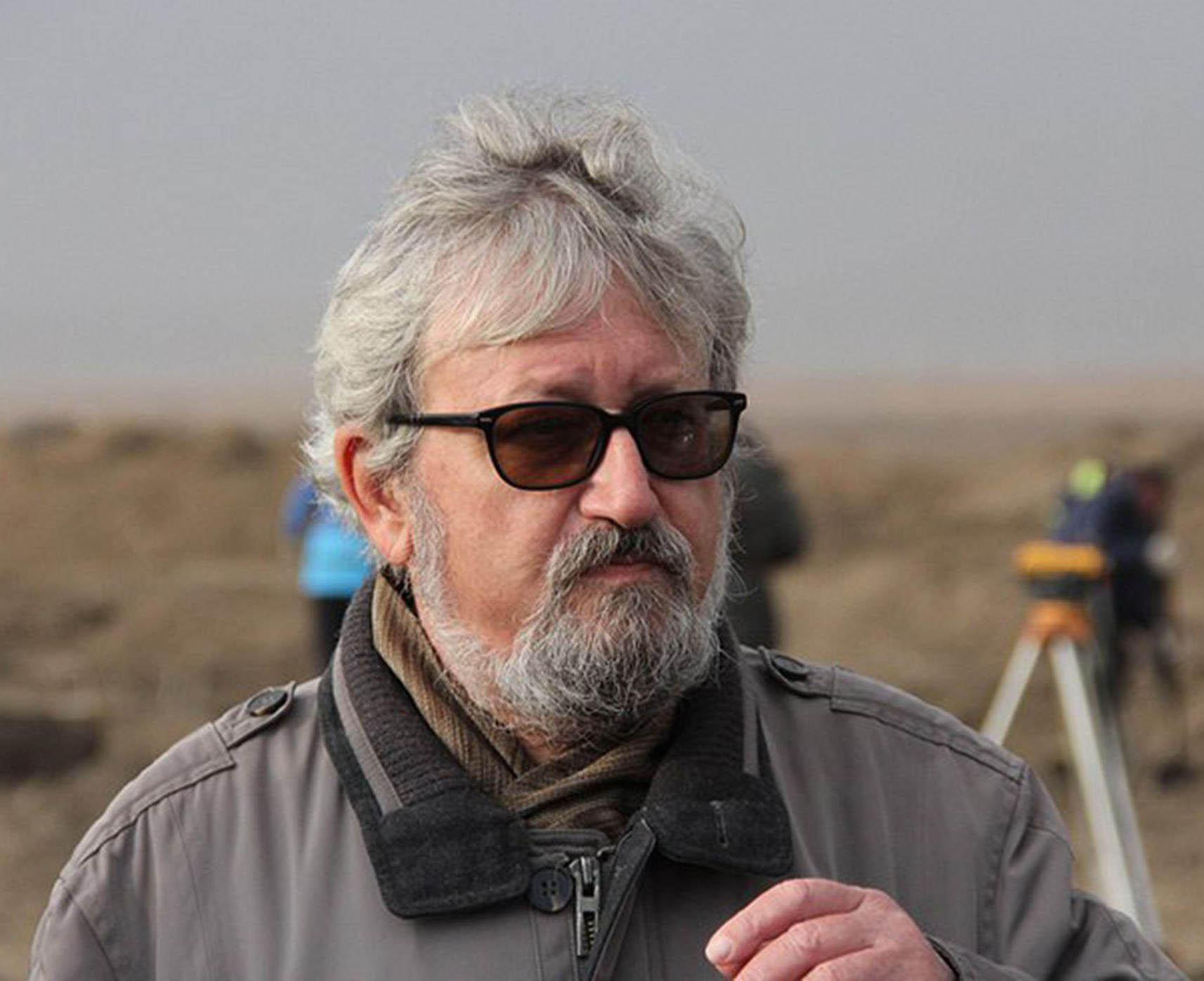
Vnukov Sergey Yuryevich
Leading Researcher at the Department of Classical Archaeology, Doctor of History
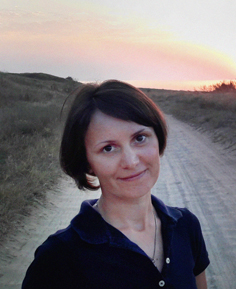
Voroshilova Olga Mikhailovna
Researcher at the Department of Classical Archaeology, PhD in History
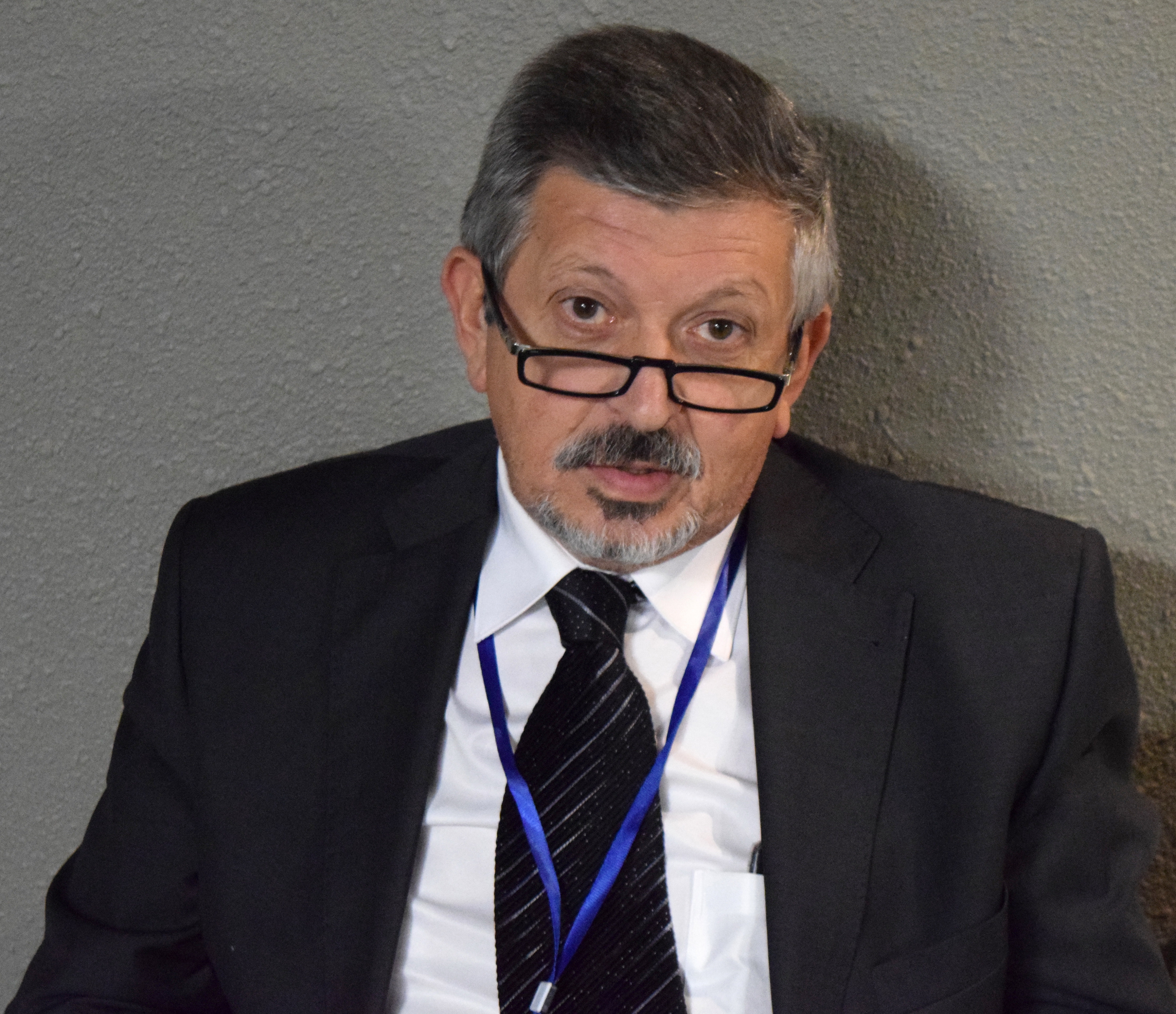
Gaibov Vasif Abidovich
Senior Research Fellow at the Department of Classical Archaeology, PhD in History
Golofast Larisa Alekseevna
Research Fellow at the Department of Classical Archaeology, PhD in History
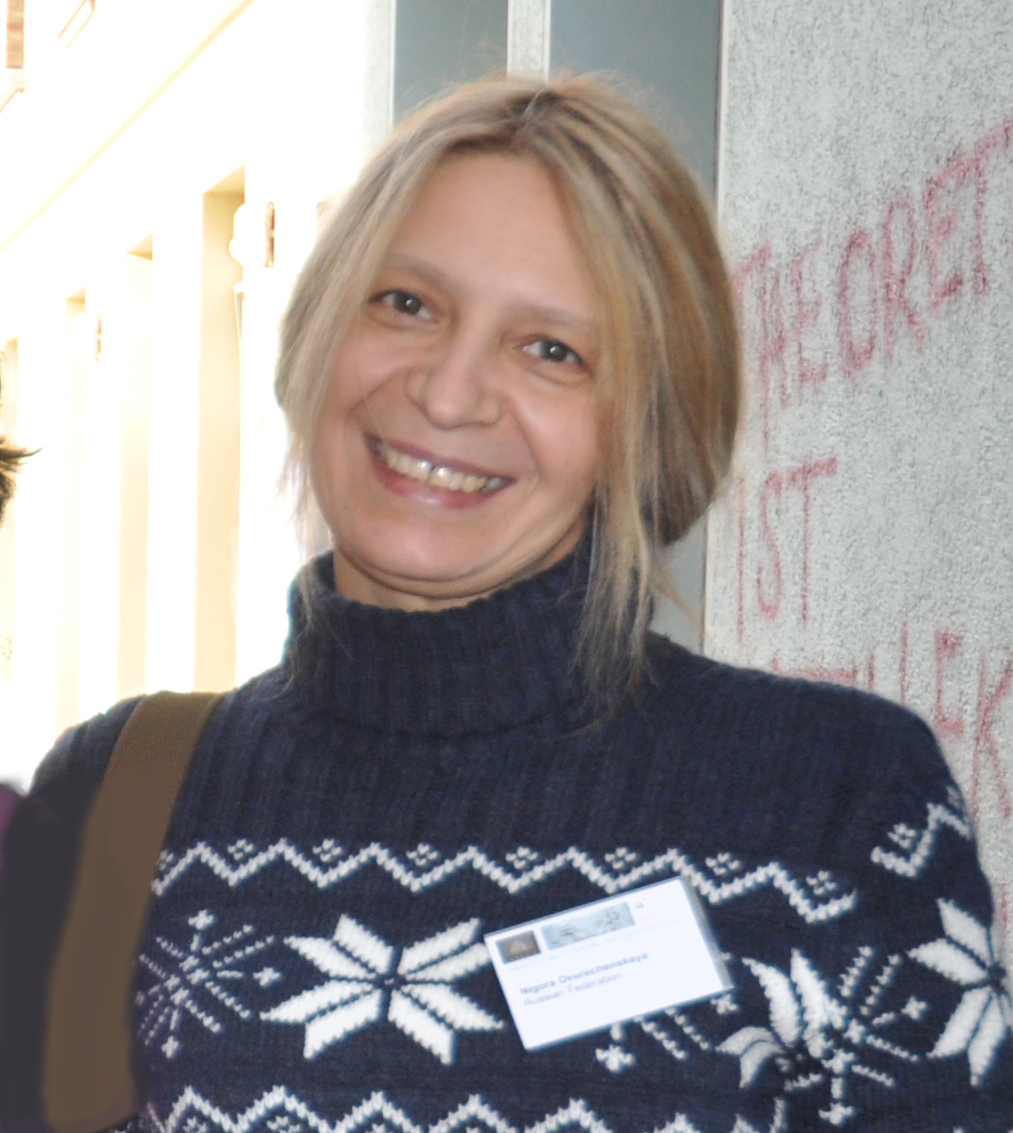
Dvurechenskaya Nigora Davlyatovna
Research Fellow at the Department of Classical Archaeology, PhD in History
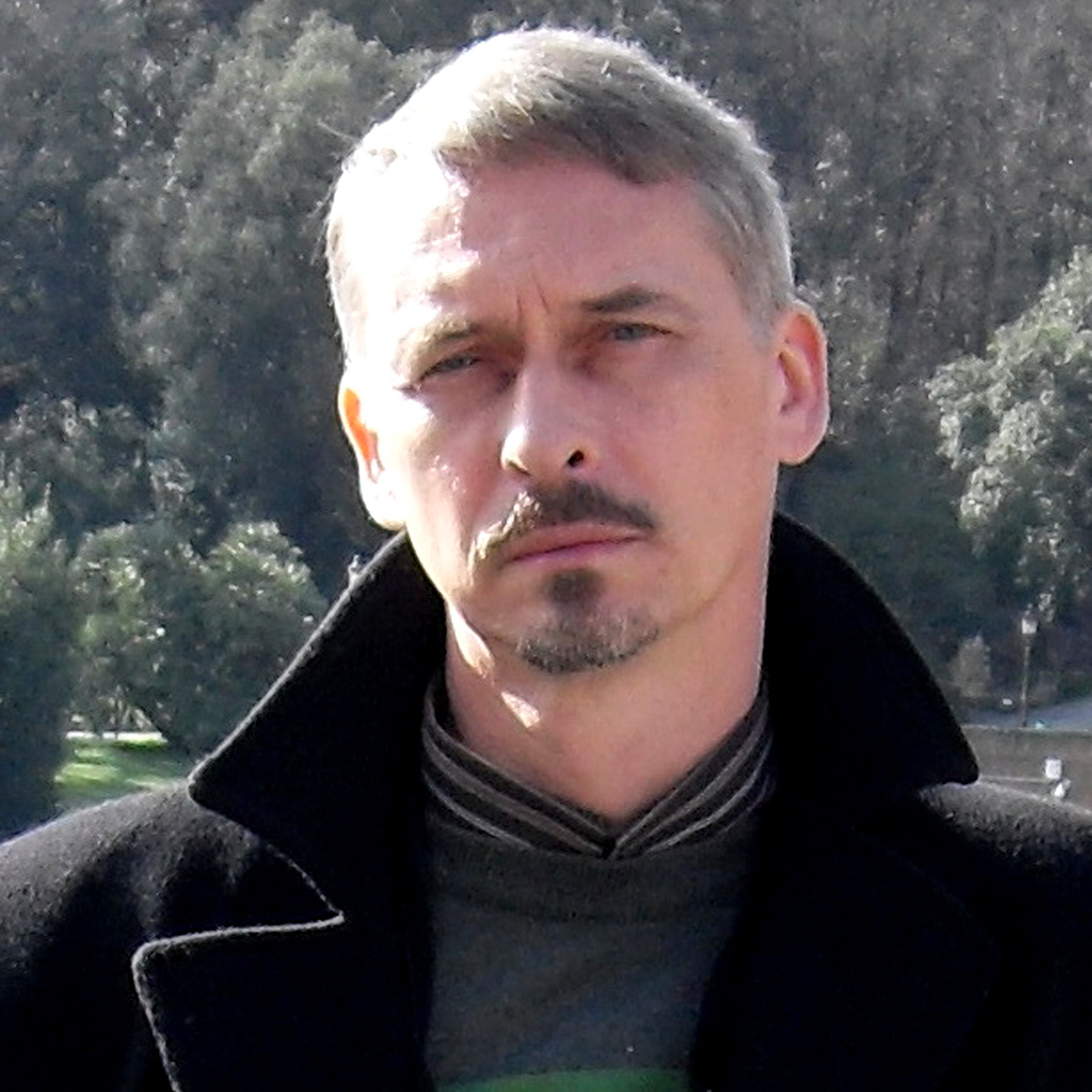
Zavoykin Alexey Andreyevich
Leading Researcher at the Department of Classical Archaeology, Doctor of History
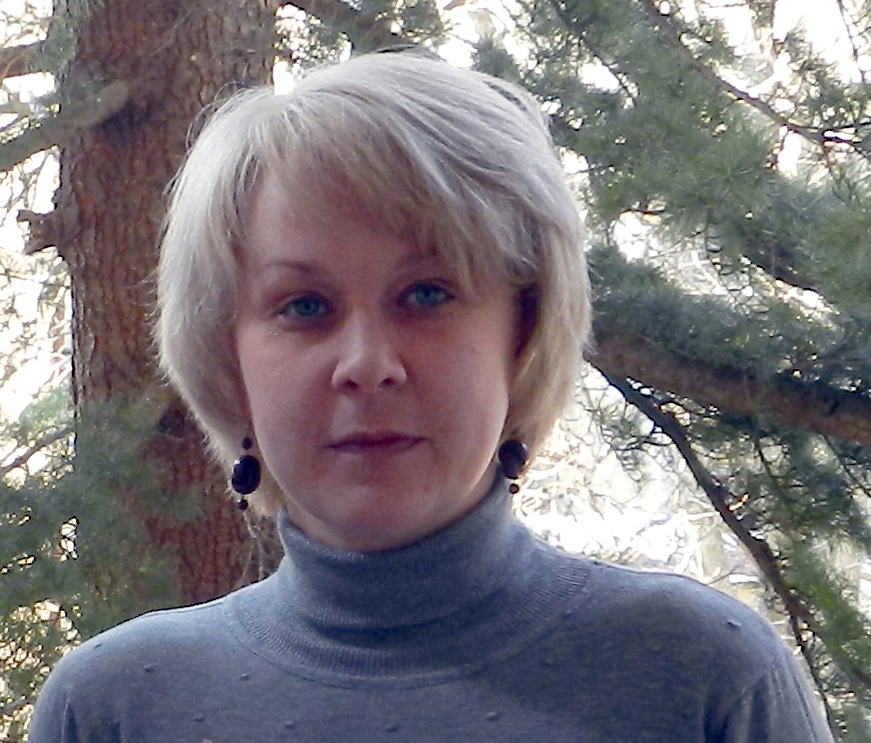
Zavoykina Natalya Vladimirovna
Natalya Vladimirovna Zavoykina
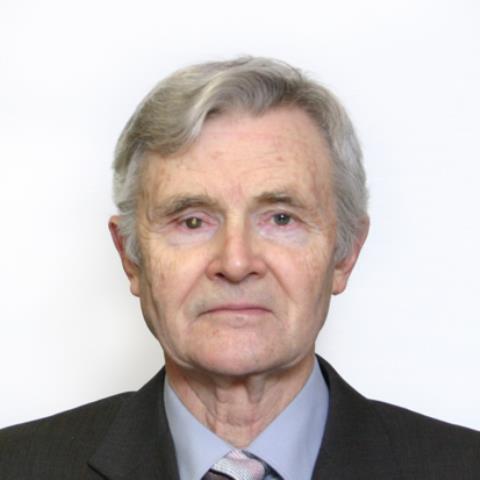
Pilipko Viktor Nikolaevich
Leading Researcher at the Department of Classical Archaeology, Doctor of History
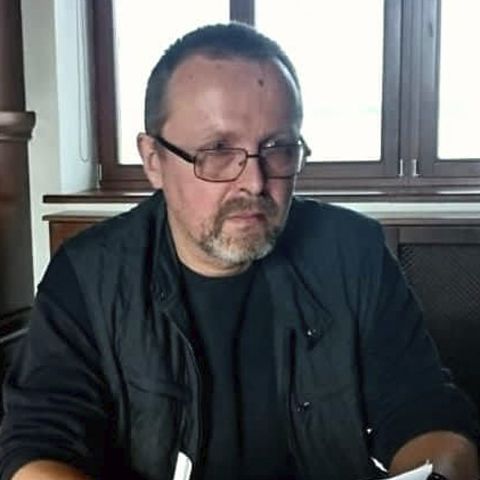
Sudarev Nikolay Igorevich
Research Fellow at the Department of Classical Archaeology, PhD in History

Trebeleva Galina Viktorovna
Research Fellow at the Department of Classical Archaeology, PhD in History