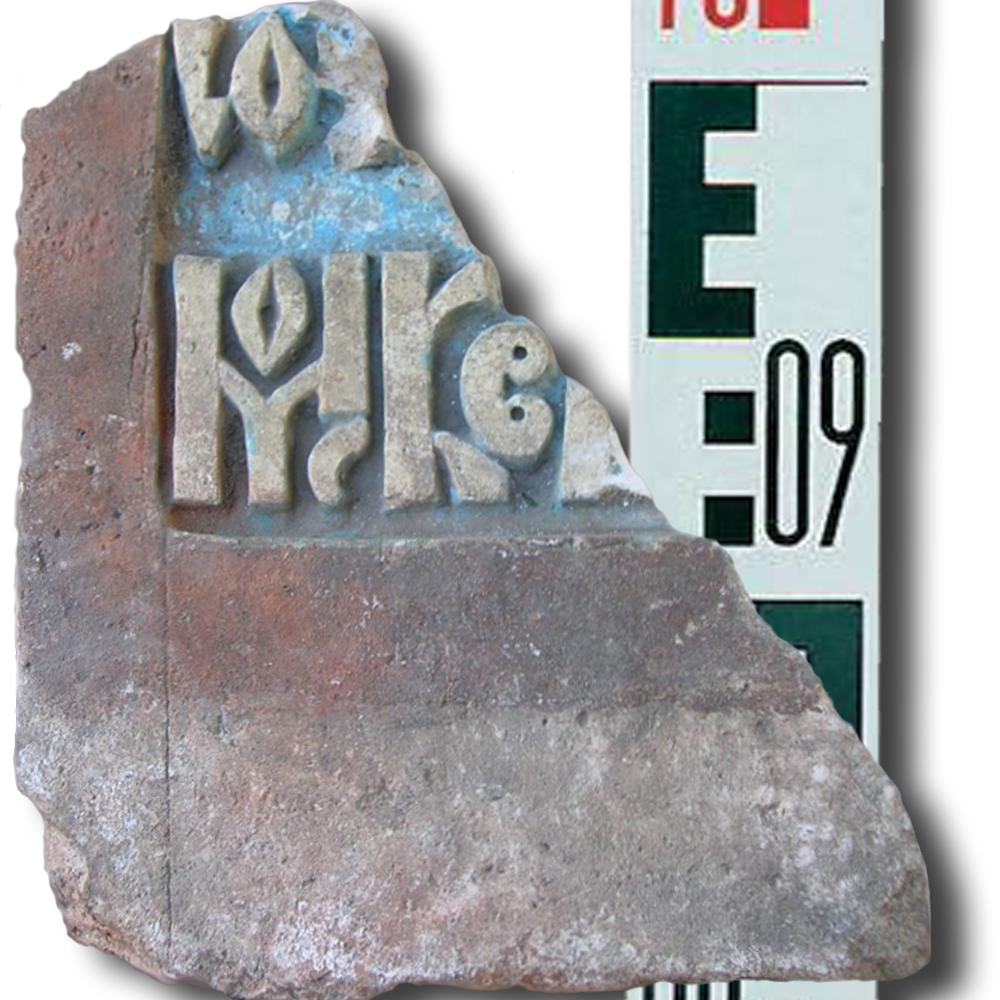
Department of Archaeology of Muscovite Rus'
The Moscow Archaeology Sector was established (as part of the Department of Slavic-Russian Archaeology) in 1987 under the direction of S.Z. Chernov. Currently, the Sector is headed by L.A. Belyaev.
Initially, the Sector's main areas of work were the study of the historical development of the city of Moscow, its districts and suburbs, and the on-site conservation studies of individual monuments (especially in the Kitay-gorod, Zaneglimenye, and Moscow region). Over time, the Sector began to understand its mission much more broadly, encompassing fundamental archaeological research into the entire culture and history of not only Moscow but also Rus' of the Muscovite period (14th–17th centuries), particularly ceramics, architecture, church topography, and applied art.
From the very beginning, particular importance was attached to the study of historical landscapes, the development of rural settlement patterns in the Middle Ages, and the history of the early development of the middle reaches of the Moskva River (beginning with the Stone Age). This area has now branched out into a new field: the study of the ecosystems and anthropological systems of Moscow and the Moscow region. The Sector is working on this project, together with other academic and university institutions, under a long-term interdisciplinary program in historical geography. General cultural and historical issues are being developed in collaboration with international colleagues from universities in the United States, England, Germany, and Italy.
In recent years, Sector staff have been participating in the preparation of the "Archaeological Map of Russia" series, dedicated to the archaeological sites of Moscow. At the same time, the Sector continues targeted fieldwork in the city and region; its most important sites in the 1990s were: These include sections of Red Square (the area around the Iversky Gate, the remains of the Kazan Cathedral, etc.), the courtyard of the Old University in Zaneglimenye, the remains of the palace in Kolomenskoye, and others.
The department is actively publishing, forming a corresponding section in the journal "Russian Archaeology," regularly releasing collections ("Moscow Ceramics: New Data on Chronology"; the "Culture of Medieval Moscow" series, etc.), participating in fundamental collective works ("History of Moscow" in 3 volumes, etc.), and publishing original monographs. The department includes an Arctic Archaeology group.
Initially, the Sector's main areas of work were the study of the historical development of the city of Moscow, its districts and suburbs, and the on-site conservation studies of individual monuments (especially in the Kitay-gorod, Zaneglimenye, and Moscow region). Over time, the Sector began to understand its mission much more broadly, encompassing fundamental archaeological research into the entire culture and history of not only Moscow but also Rus' of the Muscovite period (14th–17th centuries), particularly ceramics, architecture, church topography, and applied art.
From the very beginning, particular importance was attached to the study of historical landscapes, the development of rural settlement patterns in the Middle Ages, and the history of the early development of the middle reaches of the Moskva River (beginning with the Stone Age). This area has now branched out into a new field: the study of the ecosystems and anthropological systems of Moscow and the Moscow region. The Sector is working on this project, together with other academic and university institutions, under a long-term interdisciplinary program in historical geography. General cultural and historical issues are being developed in collaboration with international colleagues from universities in the United States, England, Germany, and Italy.
In recent years, Sector staff have been participating in the preparation of the "Archaeological Map of Russia" series, dedicated to the archaeological sites of Moscow. At the same time, the Sector continues targeted fieldwork in the city and region; its most important sites in the 1990s were: These include sections of Red Square (the area around the Iversky Gate, the remains of the Kazan Cathedral, etc.), the courtyard of the Old University in Zaneglimenye, the remains of the palace in Kolomenskoye, and others.
The department is actively publishing, forming a corresponding section in the journal "Russian Archaeology," regularly releasing collections ("Moscow Ceramics: New Data on Chronology"; the "Culture of Medieval Moscow" series, etc.), participating in fundamental collective works ("History of Moscow" in 3 volumes, etc.), and publishing original monographs. The department includes an Arctic Archaeology group.
Employees
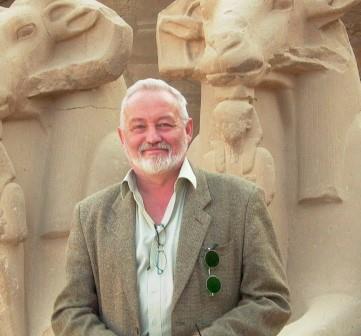
Belyaev Leonid Andreevich
Head of the Department of Archaeology of Moscow Rus’, Corresponding Member of the Russian Academy of Sciences, Doctor of History
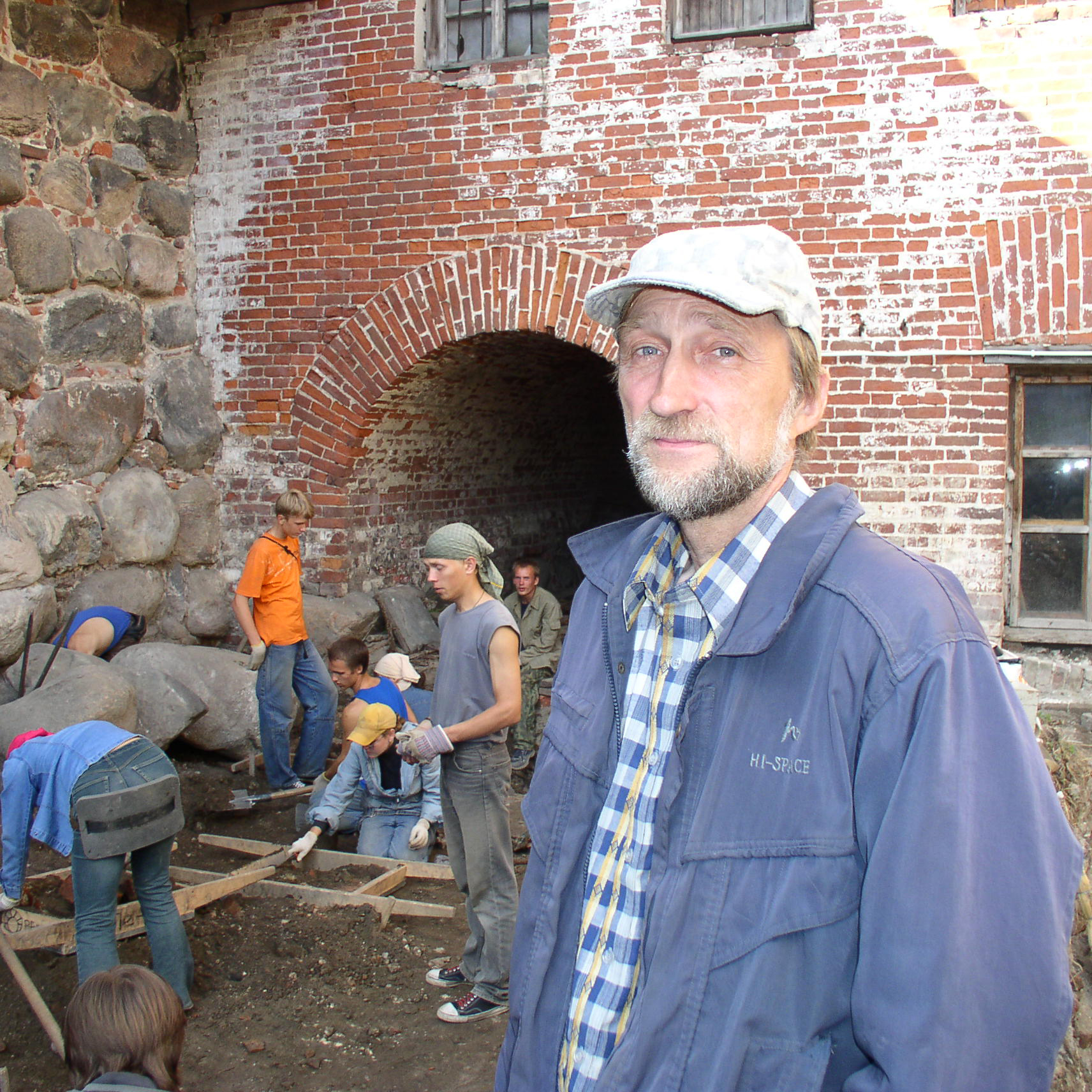
Burov Vladimir Andronovich
Senior Research Fellow at the Department of Archaeology of Moscow Rus’, PhD in History
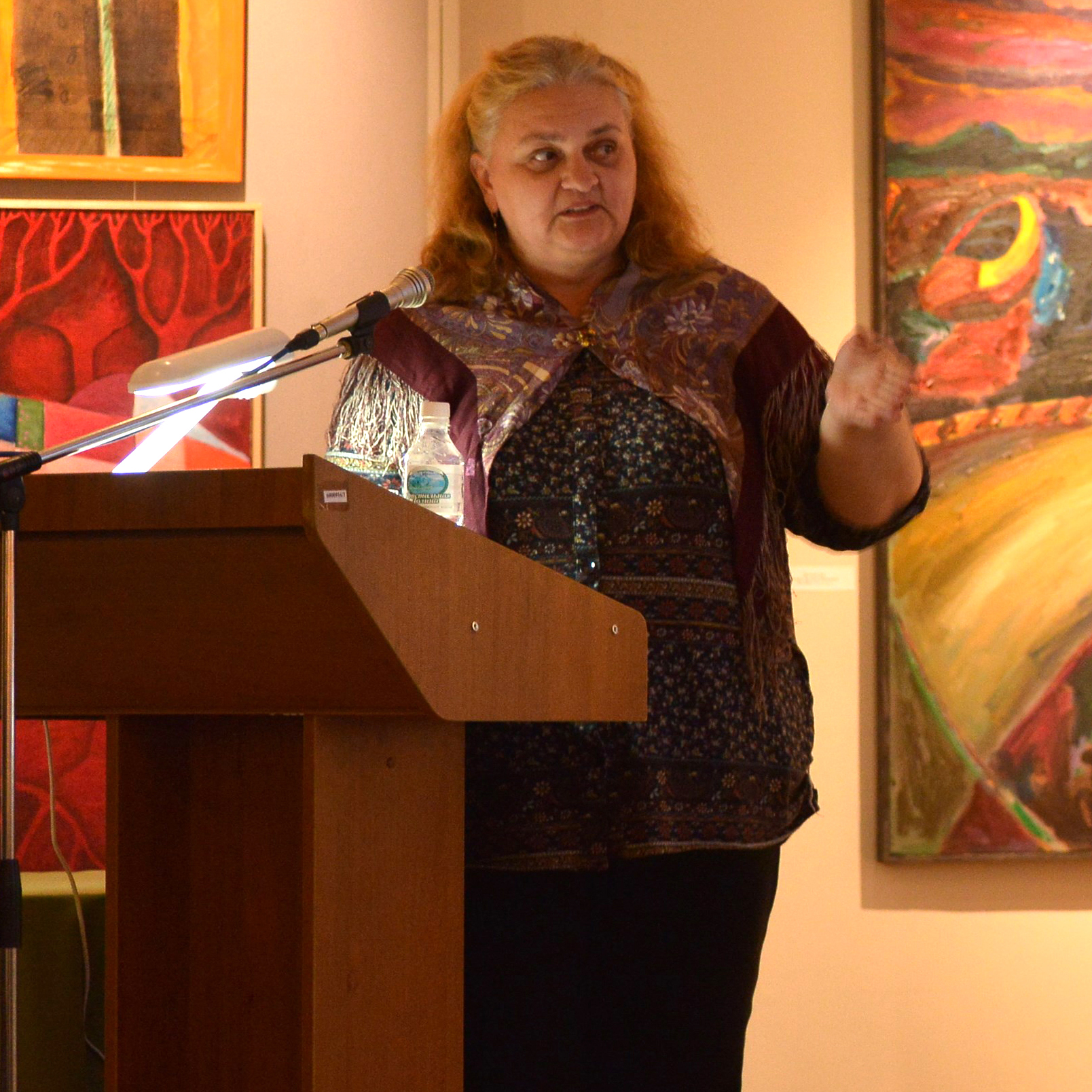
Glazunova Olga Nikolaevna
Research Fellow at the Department of Moscow Rus’ Archaeology, Academic Secretary of the Department

Grigoryan Svetlana Bagratovna
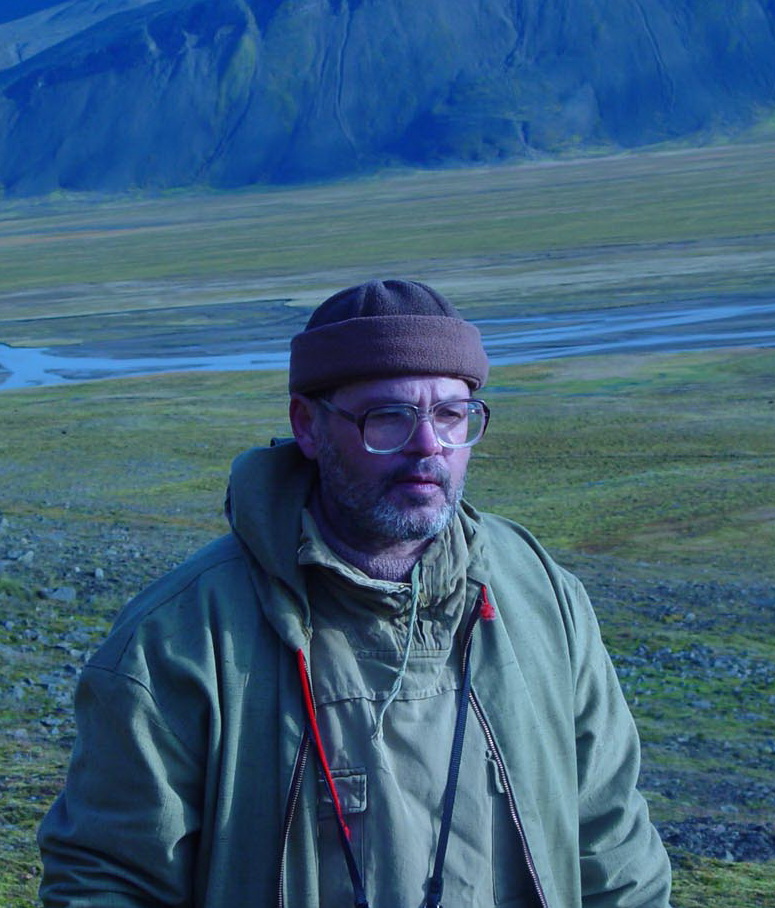
Derzhavin Viktor Leonidovich
Viktor Leonidovich Derzhavin
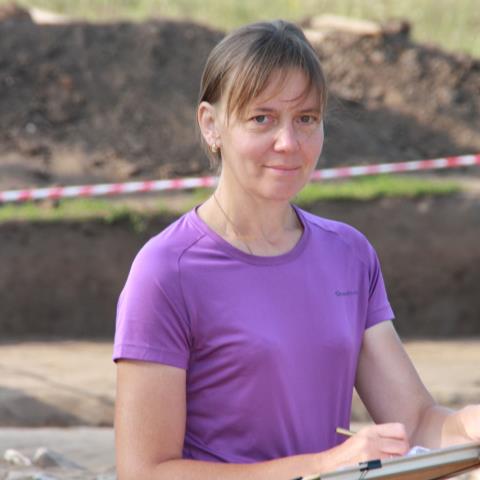
Elkina Irina Igorevna
Research Fellow at the Department of Moscow Rus’ Archaeology, PhD in History
Chernov Sergey Zaremovich
Leading Research Fellow at the Archaeology of Moscow Rus’ Department, Doctor of History