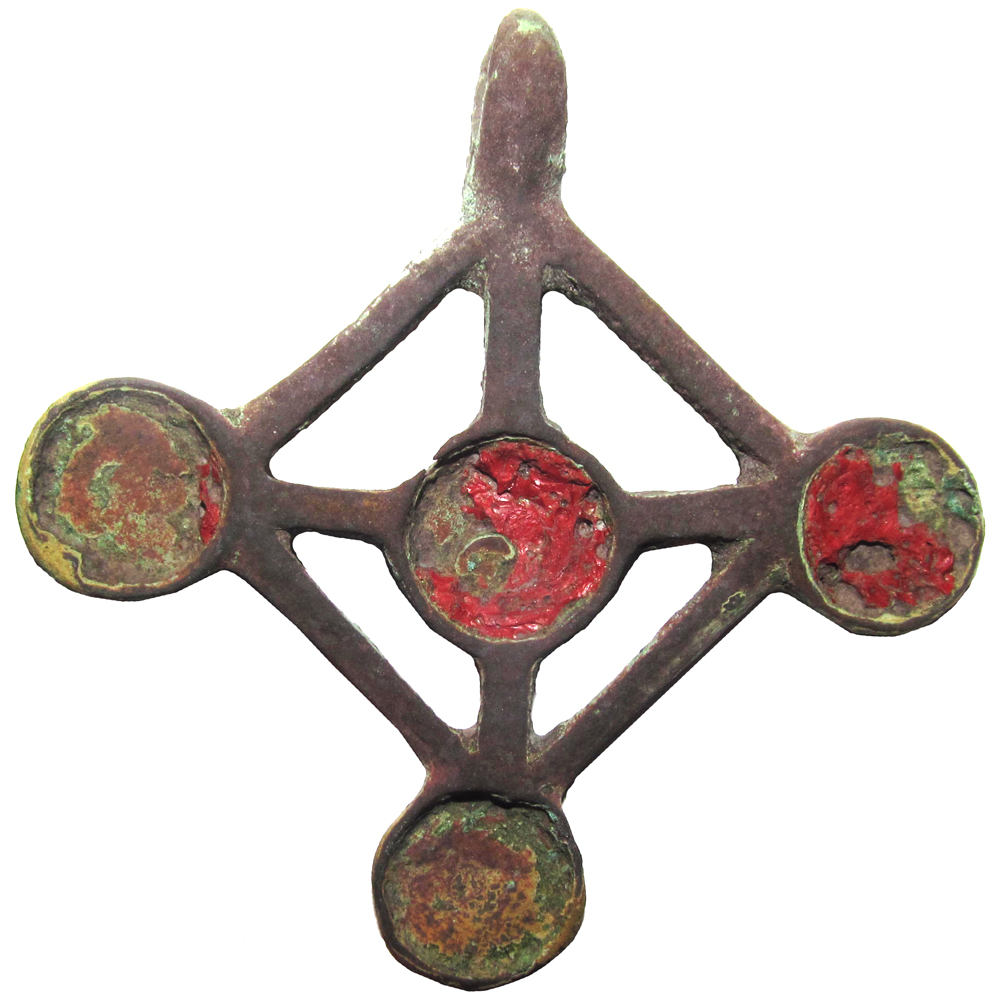
Department of Archaeology of the Great Migration Period and the Early Middle Ages
The department was established in 2014 on the basis of the Migration Period Antiquities Research Group, which had existed within the Slavic-Russian Department since 2002. The department is headed by Doctor of Historical Sciences A.M. Oblomsky.
The main goal of the department is to study the nature of the cultural transition that occurred in Eastern Europe in the middle to third quarter of the first millennium CE during the Migration Period, to reconstruct the overall picture of these changes, and to interpret them. This requires a comparison of archaeological structures from the late Roman period (3rd–5th centuries) and the early Middle Ages (5th–7th centuries), as well as a specialized study of sites from the Hunnic period (late 4th–5th centuries).
Currently, the department's activities focus on several areas:
Identifying and characterizing archaeological communities and studying cultural processes at the transition between the late Roman period and the early Middle Ages. This area of work includes refining maps, publishing collections, and publishing materials from reference settlements and burial grounds.
Chronology of both monuments and archaeological communities, as well as categories of artifacts.
Within the general framework of archaeology of the Great Migration Period, considerable attention has traditionally been paid to the study of cultural and political connections and a number of ethnographic features of ancient communities based on the analysis of jewelry, weapons, belt fittings, and horse tack components. Particular attention is paid to the study of ancient crafts and trade relations.
In collaboration with the Kulikovo Field State Museum-Reserve, it holds periodic conferences on “The Forest and Forest-Steppe Zones of Eastern Europe in the Epochs of Roman Influence and the Great Migration of Peoples” (in Tula and at the museum in the village of Monastyrshchina, Tula Region), which were held in 2006, 2008, 2010, 2012 and 2015. The next conference is planned for 2018. I.O. Gavritukhin is responsible for holding the conferences on behalf of the department, and Candidate of Historical Sciences A.M. Vorontsov on behalf of the museum-reserve. Based on the conference results, a collection of articles entitled "The Forest and Forest-Steppe Zones of Eastern Europe in the Period of Roman Influence and the Great Migration" was published (Tula: Kulikovo Pole State Museum-Reserve, 2008; 2010; 2012; 2015).
The department continues to publish scholarly works in the "Early Slavic World" (RSM) series, founded by S.A. Pletneva and I.P. Rusanova in 1990. The editorial board of the series includes I.O. Gavritukhin, N.V. Lopatin, and A.M. Oblomsky.
The department has its own library on the subject of its research, based on books by V.V. Kropotkin, donated by his son, A.V. Kropotkin. From 2002 to 2015, More than 100 meetings of the department (formerly the group) were held, at which reports and presentations were made on current issues in the archaeology of Eastern Europe in the 3rd–7th centuries.
The main goal of the department is to study the nature of the cultural transition that occurred in Eastern Europe in the middle to third quarter of the first millennium CE during the Migration Period, to reconstruct the overall picture of these changes, and to interpret them. This requires a comparison of archaeological structures from the late Roman period (3rd–5th centuries) and the early Middle Ages (5th–7th centuries), as well as a specialized study of sites from the Hunnic period (late 4th–5th centuries).
Currently, the department's activities focus on several areas:
Identifying and characterizing archaeological communities and studying cultural processes at the transition between the late Roman period and the early Middle Ages. This area of work includes refining maps, publishing collections, and publishing materials from reference settlements and burial grounds.
Chronology of both monuments and archaeological communities, as well as categories of artifacts.
Within the general framework of archaeology of the Great Migration Period, considerable attention has traditionally been paid to the study of cultural and political connections and a number of ethnographic features of ancient communities based on the analysis of jewelry, weapons, belt fittings, and horse tack components. Particular attention is paid to the study of ancient crafts and trade relations.
In collaboration with the Kulikovo Field State Museum-Reserve, it holds periodic conferences on “The Forest and Forest-Steppe Zones of Eastern Europe in the Epochs of Roman Influence and the Great Migration of Peoples” (in Tula and at the museum in the village of Monastyrshchina, Tula Region), which were held in 2006, 2008, 2010, 2012 and 2015. The next conference is planned for 2018. I.O. Gavritukhin is responsible for holding the conferences on behalf of the department, and Candidate of Historical Sciences A.M. Vorontsov on behalf of the museum-reserve. Based on the conference results, a collection of articles entitled "The Forest and Forest-Steppe Zones of Eastern Europe in the Period of Roman Influence and the Great Migration" was published (Tula: Kulikovo Pole State Museum-Reserve, 2008; 2010; 2012; 2015).
The department continues to publish scholarly works in the "Early Slavic World" (RSM) series, founded by S.A. Pletneva and I.P. Rusanova in 1990. The editorial board of the series includes I.O. Gavritukhin, N.V. Lopatin, and A.M. Oblomsky.
The department has its own library on the subject of its research, based on books by V.V. Kropotkin, donated by his son, A.V. Kropotkin. From 2002 to 2015, More than 100 meetings of the department (formerly the group) were held, at which reports and presentations were made on current issues in the archaeology of Eastern Europe in the 3rd–7th centuries.
Employees
Vorontsov Alexey Mikhailovich
Senior Researcher, Department of Archeology of the Great Migration and Early Middle Ages
Gavritukhin Igor Olegovich
Senior Research Fellow at the Department of Archaeology of the Migration Period and the Early Middle Ages
Islanova Inna Vasilyevna
Leading Research Fellow at the Department of Archaeology of the Migration Period and the Early Middle Ages
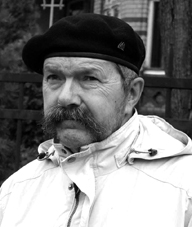
Kulakov Vladimir Ivanovich
Leading Research Fellow at the Department of Archaeology of the Great Migration of Peoples and the Early Middle Ages, Doctor of History, Professor

Prasolov Yaroslav Alexey Vladimirovich
Research Fellow at the Department of Archaeology of the Migration Period and the Early Middle Ages, PhD in History, PhD in Biology
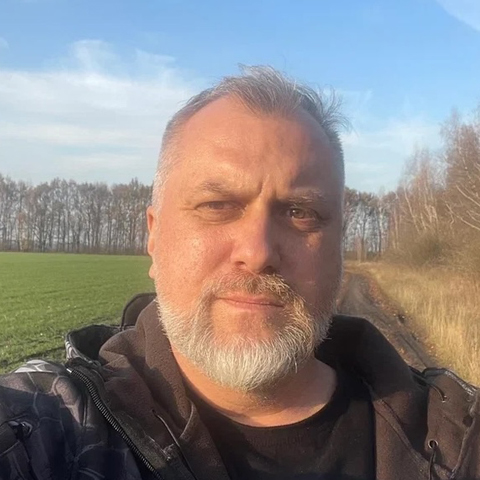
Radyush Oleg Alexandrovich
Research Fellow at the Department of Archaeology of the Migration Period and the Early Middle Ages
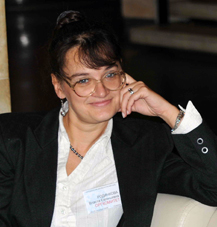
Rodinkova Vlasta Evgenyevna
Research Fellow at the Department of Archaeology of the Migration Period and the Early Middle Ages, PhD in History
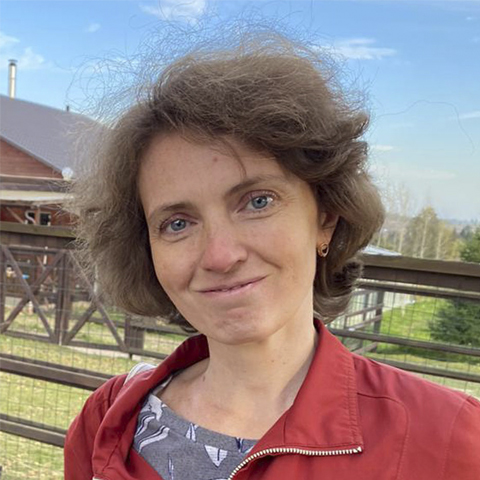
Rumyantseva Olga Sergeevna
Researcher at the Department of Archaeology of the Great Migration of Peoples and Early Middle Ages, PhD in History
Khomyakova Olga Alekseevna
Research Fellow at the Department of Archaeology of the Migration Period and the Early Middle Ages, PhD in History, Academic Secretary of the Department