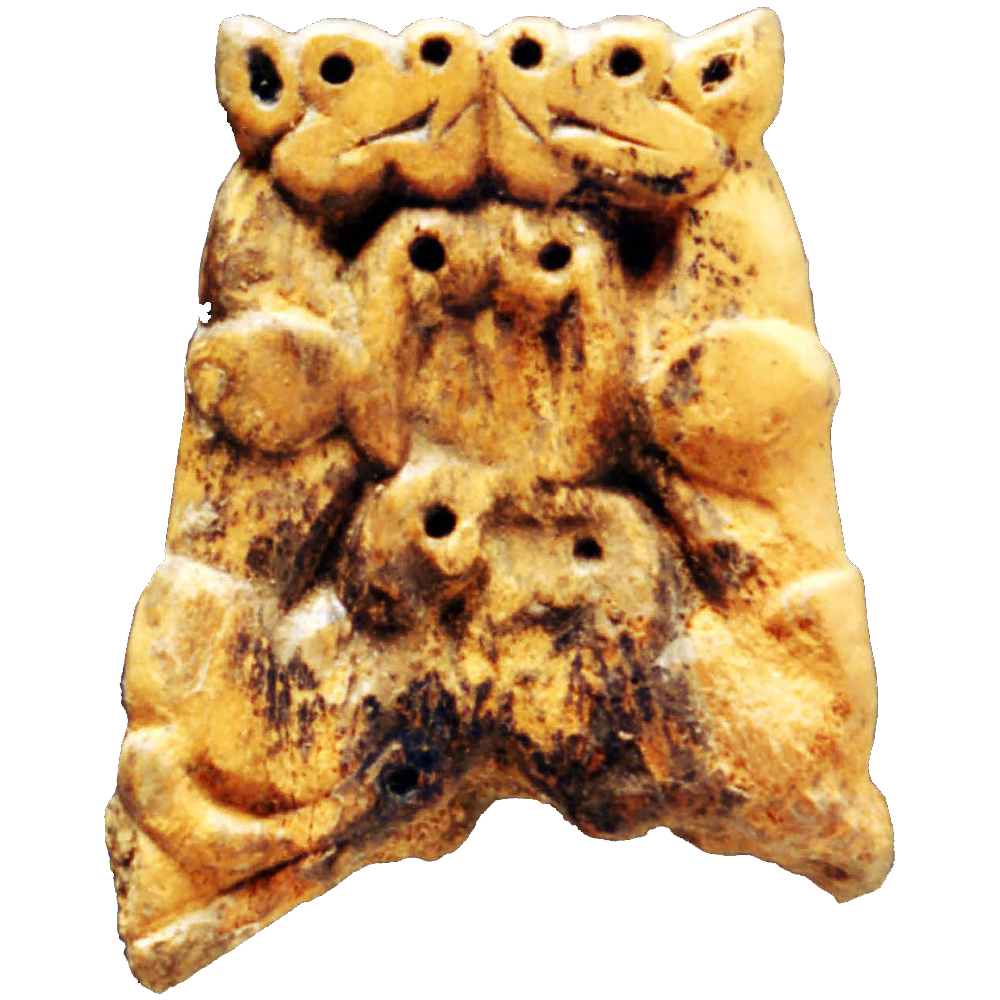
Department of Scythian-Sarmatian Archeology
On February 7, 1947, at a meeting of the Scythian-Sarmatian Group of the Sector of Primitive Culture at the Institute of History of the Material Culture of the USSR Academy of Sciences, K.F. Smirnov delivered a report, "On Roxolan Burials" (Fig. 1). That same year, B.N. Grakov, a leading specialist in Scythian-Sarmatian archaeology, classical philology, and ancient ceramic epigraphy, published his book, "Scythians." He became head of the Sector of Scythian-Sarmatian Archaeology at the Institute of History of the Material Culture of the USSR Academy of Sciences in January 1948 (Fig. 2).
There is no doubt that "the history of the study of the Scythians is almost the history of archaeology in Russia" (Smirnov, A.P., 1966, p. 11). However, another factor proved decisive in the creation of the new division: increased interest in issues related to the ethnogenesis of the Slavs and the possible involvement of Scythian and Sarmatian tribes. Under the leadership of A.P. Smirnov's department underwent significant changes; he can undoubtedly be called the architect of the Scythian-Sarmatian Department. By the early 1970s, the department already had 24 employees, and without changing its official name, "Department of Scythian-Sarmatian Archaeology," it began to perform functions related to the study of Early Iron Age archaeology in general (for information on the department's employees over the years, see: SCYTHIA et SARMATIA. Personalities).
Against this background, special mention should be made of the fieldwork of A.I. Melyukova in Transnistria, M.G. Moshkova, and then L.T. Yablonsky in the Southern Urals, V.G. Petrenko, M.P. Abramova, and N.L. Chlenova in the North Caucasus, V.V. Dvornichenko in the Lower Volga region, and V.S. Olkhovsky in Western Kazakhstan (Fig. 3) (for more details, see: SCYTHIA et SARMATIA. Expeditions). A number of remarkable discoveries were made during this work, including the monumental funerary and memorial complex at the Krasnoye Znamya burial ground (Stavropol, V.G. Petrenko) (Fig. 4), the burial of a member of the highest military aristocracy from the Kosik burial ground (Lower Povozhye, V.V. Dvornichenko and G.A. Fedorov-Davydov) (Fig. 5), and the burial complexes of Sarmatian nobility from the Filippovsky burial grounds (Southern Urals, excavations by L.T. Yablonsky) (Fig. 6).
Scythian-Sarmatian archaeology, the history of the Scythians, Sarmatians, and their immediate neighbors, are currently central to the Department, as evidenced by the breadth of its research topics:
- Ancient Written Sources on the Scythians and Archaeological Realities (PhD Kuznetsova T.M.);
- New Materials on the Koban Culture (PhD Kozenkova V.I.);
- Synchronization of Archaeological Sites of the North Caucasus with Pre-Scythian and Early Scythian Sites of the Steppe and Forest-Steppe Regions of Southern Eastern Europe (8th–6th Centuries BC) (PhD Valchak S.B.);
- The Location of the Novozavednoye-II Burial Ground in the System of Scythian Archaic Sites of the North Caucasus (PhD Maslov V.E.);
- The Southeastern Periphery of the Bosporus: Territory and Population (A.A. Malyshev);
- Bronze Cauldrons in the Material Culture of Eurasian Nomads of the Early Iron Age (S.V. Malyshev, PhD in History);
- Cultural and Historical Processes in the Central and Eastern Regions of the North Caucasus during the Sarmatian Period (V.Yu. Malyshev, PhD in History).
- Archaeology of Fortified Settlements of the Scythian Era on the Middle Don (A.A. Shevchenko, PhD in History).
There is no doubt that "the history of the study of the Scythians is almost the history of archaeology in Russia" (Smirnov, A.P., 1966, p. 11). However, another factor proved decisive in the creation of the new division: increased interest in issues related to the ethnogenesis of the Slavs and the possible involvement of Scythian and Sarmatian tribes. Under the leadership of A.P. Smirnov's department underwent significant changes; he can undoubtedly be called the architect of the Scythian-Sarmatian Department. By the early 1970s, the department already had 24 employees, and without changing its official name, "Department of Scythian-Sarmatian Archaeology," it began to perform functions related to the study of Early Iron Age archaeology in general (for information on the department's employees over the years, see: SCYTHIA et SARMATIA. Personalities).
Against this background, special mention should be made of the fieldwork of A.I. Melyukova in Transnistria, M.G. Moshkova, and then L.T. Yablonsky in the Southern Urals, V.G. Petrenko, M.P. Abramova, and N.L. Chlenova in the North Caucasus, V.V. Dvornichenko in the Lower Volga region, and V.S. Olkhovsky in Western Kazakhstan (Fig. 3) (for more details, see: SCYTHIA et SARMATIA. Expeditions). A number of remarkable discoveries were made during this work, including the monumental funerary and memorial complex at the Krasnoye Znamya burial ground (Stavropol, V.G. Petrenko) (Fig. 4), the burial of a member of the highest military aristocracy from the Kosik burial ground (Lower Povozhye, V.V. Dvornichenko and G.A. Fedorov-Davydov) (Fig. 5), and the burial complexes of Sarmatian nobility from the Filippovsky burial grounds (Southern Urals, excavations by L.T. Yablonsky) (Fig. 6).
Scythian-Sarmatian archaeology, the history of the Scythians, Sarmatians, and their immediate neighbors, are currently central to the Department, as evidenced by the breadth of its research topics:
- Ancient Written Sources on the Scythians and Archaeological Realities (PhD Kuznetsova T.M.);
- New Materials on the Koban Culture (PhD Kozenkova V.I.);
- Synchronization of Archaeological Sites of the North Caucasus with Pre-Scythian and Early Scythian Sites of the Steppe and Forest-Steppe Regions of Southern Eastern Europe (8th–6th Centuries BC) (PhD Valchak S.B.);
- The Location of the Novozavednoye-II Burial Ground in the System of Scythian Archaic Sites of the North Caucasus (PhD Maslov V.E.);
- The Southeastern Periphery of the Bosporus: Territory and Population (A.A. Malyshev);
- Bronze Cauldrons in the Material Culture of Eurasian Nomads of the Early Iron Age (S.V. Malyshev, PhD in History);
- Cultural and Historical Processes in the Central and Eastern Regions of the North Caucasus during the Sarmatian Period (V.Yu. Malyshev, PhD in History).
- Archaeology of Fortified Settlements of the Scythian Era on the Middle Don (A.A. Shevchenko, PhD in History).
Employees
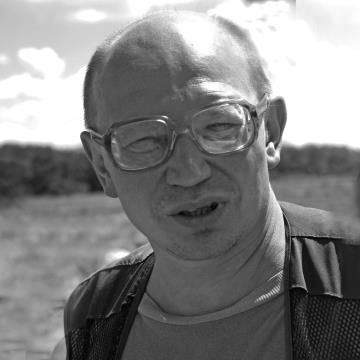
Malyshev Alexey Aleksandrovich
Head of the Department of Scythian/Sarmatian archaeology, PhD in History
Valchak Sergey Borisovich
Research Fellow at the Scythian/Sarmatian Archaeology Department, PhD in History
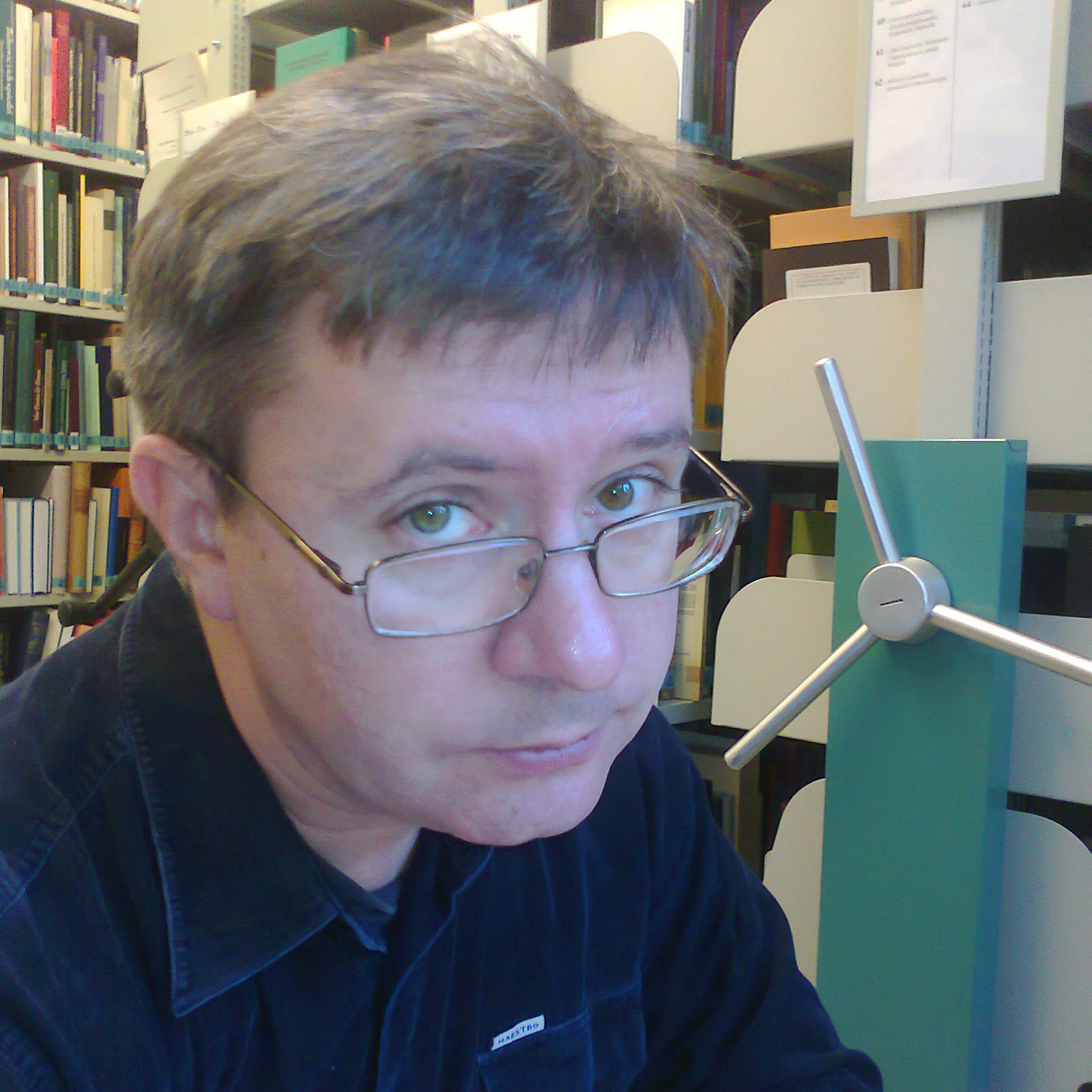
Demidenko Sergey Viktorivich
Researcher at the Department of Scythian/Sarmatian Archaeology, PhD in History
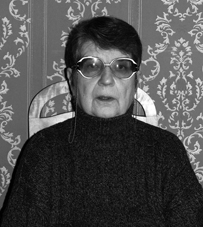
Kuznetsova Tatiana Mikhaylovna
Senior Research Fellow at the Scytho-Sarmatia Archaeology Department, PhD in History

Malashev Vladimir Yurievich
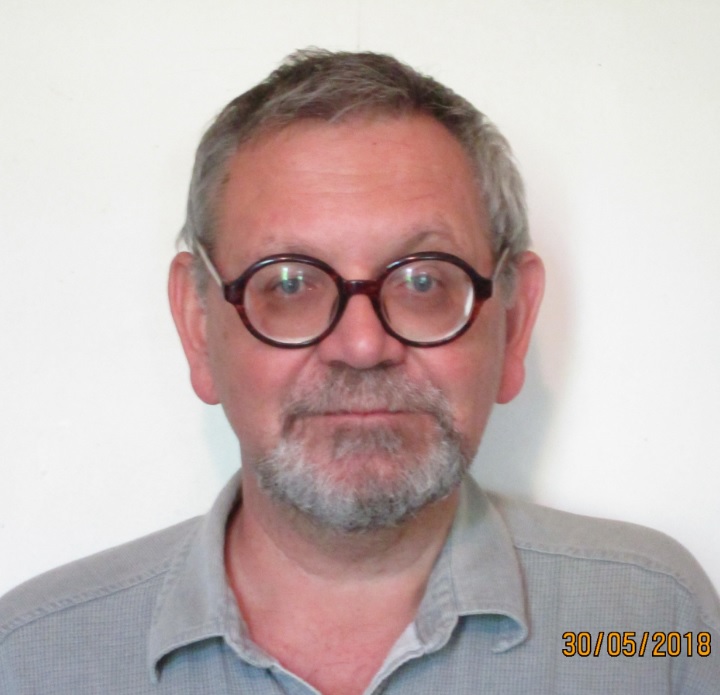
Maslov Vladimir Evgenievich
Research Fellow at the Scythian-Sarmatian Archaeology Department, PhD in History, Academic Secretary of the Department

Rukavishnikova Irina Viktorovna
Research Fellow at the Scytho-Sarmatia Archaeology Department, PhD in History

Sirotin Sergey Viktorovich
Shevchenko Alexander Alexandrovich
Research Fellow at the Scytho-Sarmatia Archaeology Department, PhD in History