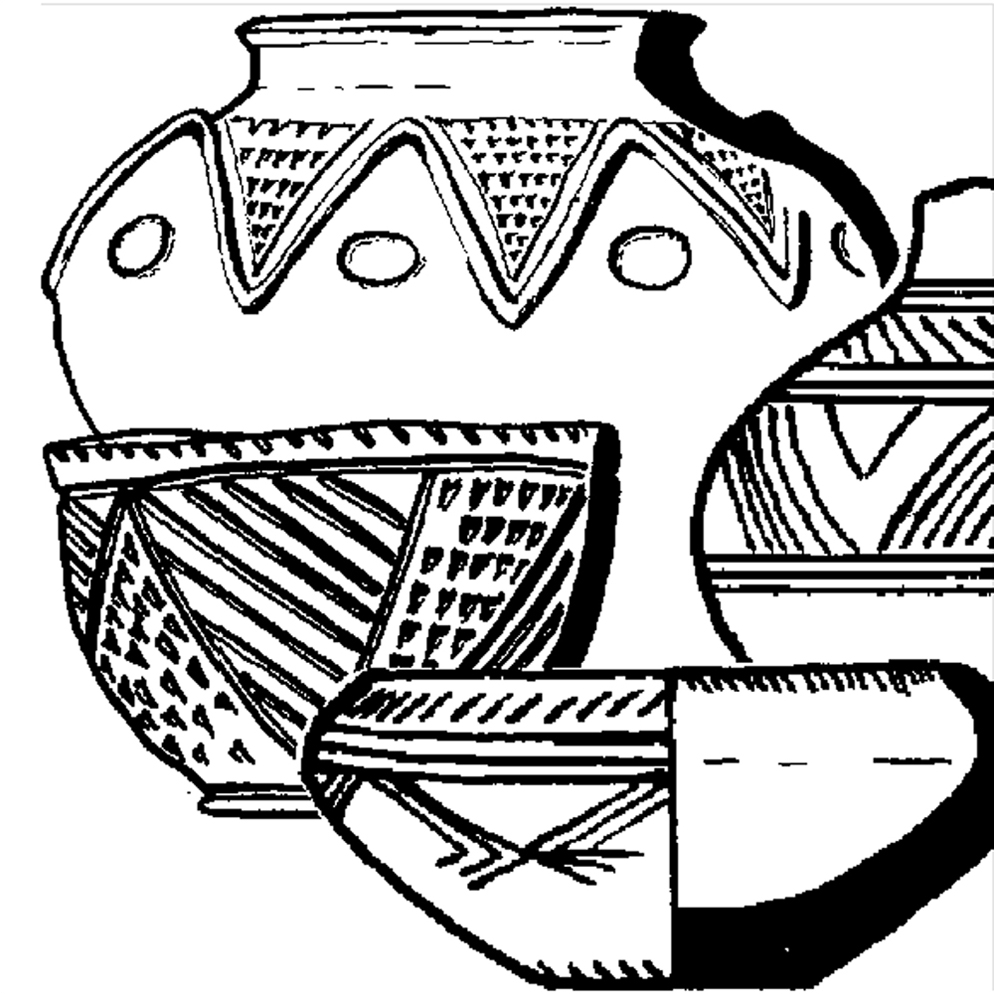
Department of Bronze Age Archaeology
The Department of Bronze Age Archaeology (until 1994, the Neolithic and Bronze Age Sector), one of the Institute's main structural divisions, was established at the IIMK in 1944. The department was headed by Corresponding Member of the USSR Academy of Sciences S.V. Kiselev until his death in 1962, and was subsequently led by such renowned scholars as E.I. Krupnov (until 1970), N.Ya. Merpert (until 1988), M.F. Kosarev (until 1994), and V.V. Volkov (until 2000).
Many leading researchers in prehistoric archaeology worked in the department over the years: A.Ya. Bryusov, M.V. Voevodsky, M.E. Foss, O.A. Krivtsova-Grakova, T.S. Passek, V.N. Chernetsov, V.I. Moshinskaya, V.S. Titov, O.N. Bader, D.A. Kraynov, E.K. Chernysh, V.I. Sarianidi, Yu.S. Grishin, and others.
During the Institute's structural reorganization in 1992–1994, the Neolithic and Bronze Sector was transformed into the Bronze Age Department. An independent Stone Age Department was created on its basis, and some staff transferred to the Foreign Archaeology Group and other divisions. Today, the department is headed by A.N. Gey, PhD in History.
The department's research interests were broad and diverse, encompassing the ancient history and archaeology of the Old World. Extensive fieldwork was conducted throughout virtually the entire USSR and far beyond its borders (Afghanistan, Bulgaria, Hungary, Egypt, Iraq, and Mongolia). Their findings have resulted in the publication of dozens of monographs, hundreds of articles, several issues of the "Collection of Archaeological Sources" (CAS), and three volumes of the seminal work "Archaeology of the USSR." The department's research interests focus on the prehistory and archaeology of the Eneolithic, Bronze Age, and the transitional period from the Bronze Age to the Iron Age (6th to early 1st millennia BC). The focus is on the antiquities of central Russia, the Volga region, the southern Russian steppes, the Black Sea region, the Caucasus, the Caspian region, the Ural-Siberian region, as well as Southern Europe and the Balkans, the Middle East, and Central Asia.
The research activities of the Bronze Age Archaeology Department are focused on the development of the joint planned topic "Content and Trends of the Cultural Process in Eurasia in Prehistory Based on Archaeological Sources" (2017–2021).
The department's staff studies the patterns and characteristics of the development and interaction of archaeological cultures and the late primitive and earliest class societies underlying them, spanning the chronological range from the 6th–5th millennia BC to the turn of the 2nd and 1st millennia BC, as well as the intercultural and transcultural phenomena of this period (metallurgy and metalworking, wheeled transport, religious sculpture, petroglyphs, painted ceramics and other manifestations of primitive art, megalithic traditions, etc.).
The primary focus is, on the one hand, understanding the role of local cultural and ethnocultural traditions, as well as large-scale technological or superstructural phenomena, both innovative and conservative in nature, in the historical process of several regions of Eurasia. From this perspective, an analysis is made of the unique contact zones that formed on the borders of the vast mountain and steppe regions of Eurasia, which facilitated the long-distance transfer of innovations and the optimization of contacts between widely separated cultural enclaves.
Many leading researchers in prehistoric archaeology worked in the department over the years: A.Ya. Bryusov, M.V. Voevodsky, M.E. Foss, O.A. Krivtsova-Grakova, T.S. Passek, V.N. Chernetsov, V.I. Moshinskaya, V.S. Titov, O.N. Bader, D.A. Kraynov, E.K. Chernysh, V.I. Sarianidi, Yu.S. Grishin, and others.
During the Institute's structural reorganization in 1992–1994, the Neolithic and Bronze Sector was transformed into the Bronze Age Department. An independent Stone Age Department was created on its basis, and some staff transferred to the Foreign Archaeology Group and other divisions. Today, the department is headed by A.N. Gey, PhD in History.
The department's research interests were broad and diverse, encompassing the ancient history and archaeology of the Old World. Extensive fieldwork was conducted throughout virtually the entire USSR and far beyond its borders (Afghanistan, Bulgaria, Hungary, Egypt, Iraq, and Mongolia). Their findings have resulted in the publication of dozens of monographs, hundreds of articles, several issues of the "Collection of Archaeological Sources" (CAS), and three volumes of the seminal work "Archaeology of the USSR." The department's research interests focus on the prehistory and archaeology of the Eneolithic, Bronze Age, and the transitional period from the Bronze Age to the Iron Age (6th to early 1st millennia BC). The focus is on the antiquities of central Russia, the Volga region, the southern Russian steppes, the Black Sea region, the Caucasus, the Caspian region, the Ural-Siberian region, as well as Southern Europe and the Balkans, the Middle East, and Central Asia.
The research activities of the Bronze Age Archaeology Department are focused on the development of the joint planned topic "Content and Trends of the Cultural Process in Eurasia in Prehistory Based on Archaeological Sources" (2017–2021).
The department's staff studies the patterns and characteristics of the development and interaction of archaeological cultures and the late primitive and earliest class societies underlying them, spanning the chronological range from the 6th–5th millennia BC to the turn of the 2nd and 1st millennia BC, as well as the intercultural and transcultural phenomena of this period (metallurgy and metalworking, wheeled transport, religious sculpture, petroglyphs, painted ceramics and other manifestations of primitive art, megalithic traditions, etc.).
The primary focus is, on the one hand, understanding the role of local cultural and ethnocultural traditions, as well as large-scale technological or superstructural phenomena, both innovative and conservative in nature, in the historical process of several regions of Eurasia. From this perspective, an analysis is made of the unique contact zones that formed on the borders of the vast mountain and steppe regions of Eurasia, which facilitated the long-distance transfer of innovations and the optimization of contacts between widely separated cultural enclaves.
Employees
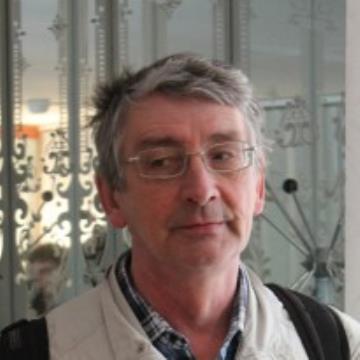
Gey Alexander Nikolaevich
Head of the Bronze Age Archaeology Department, PhD in History
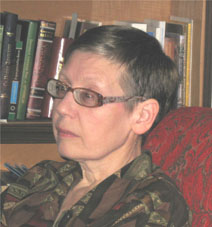
Avilova Lyudmila Ivanovna
Leading Researcher at the Bronze Age Archaeology Department, Doctor of History
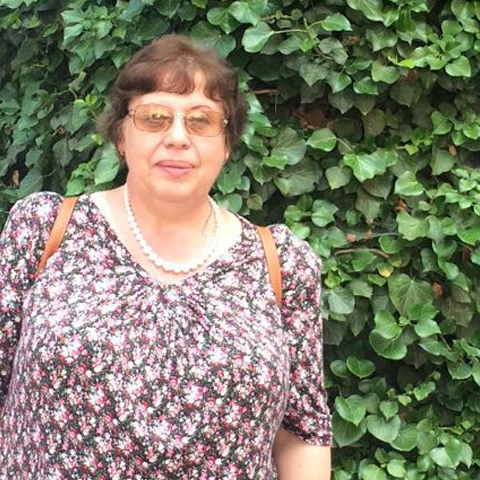
Andreeva Marina Vladimirovna
Research Fellow at the Bronze Age Archaeology Department, PhD in History

Brilyova Olga Alexandrovna
Research Fellow at the Bronze Age Archaeology Department, PhD in History
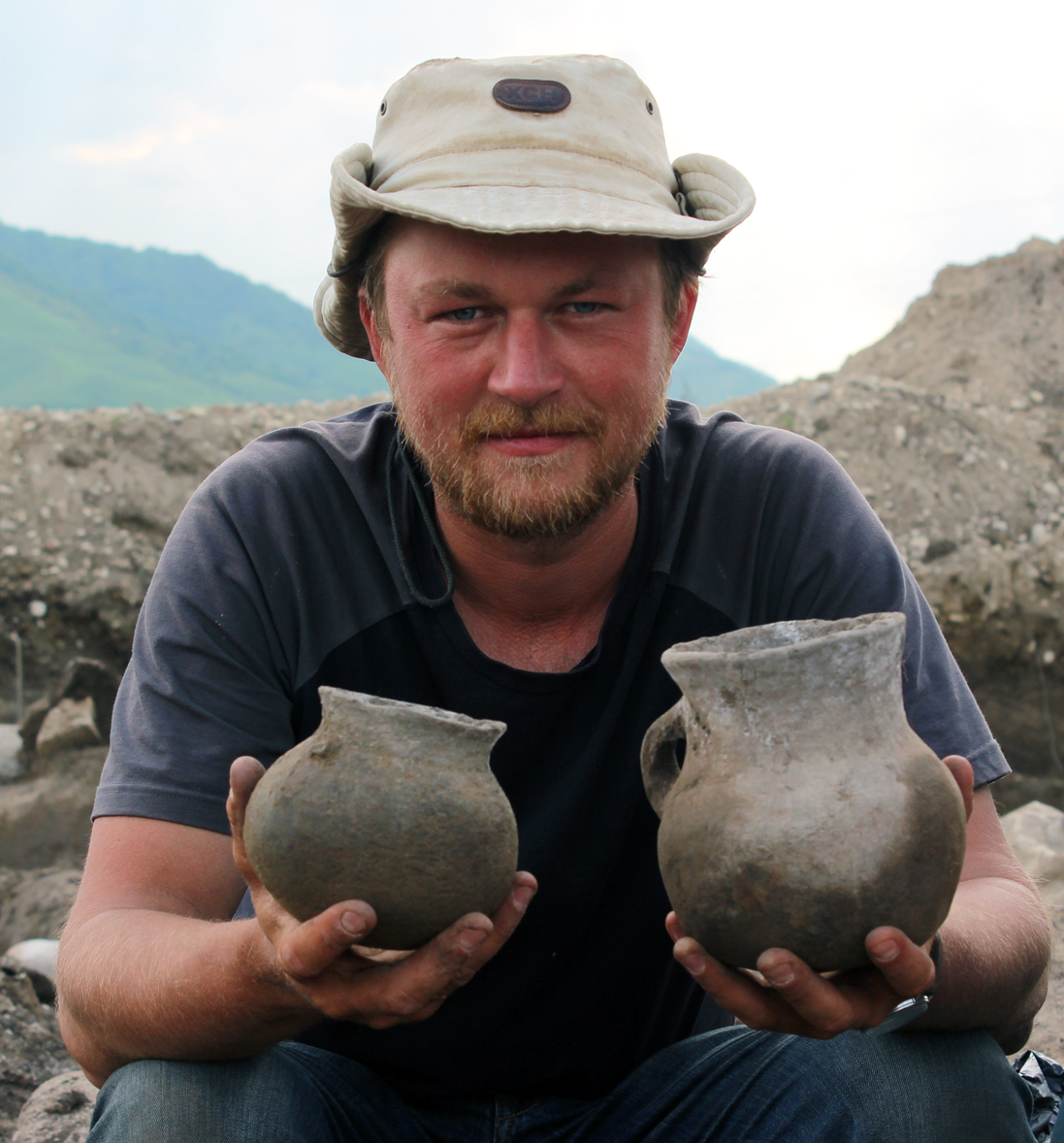
Kleshchenko Alexander Alexandrovich
Research Fellow at the Bronze Age Archaeology Department, PhD in History, Academic Secretary of the Department
Korenevsky Sergey Nikolaevich
Leading Research Fellow at the Bronze Age Archaeology Department, Deputy Head of the Caucasian Archaeology Research Team, Doctor of History
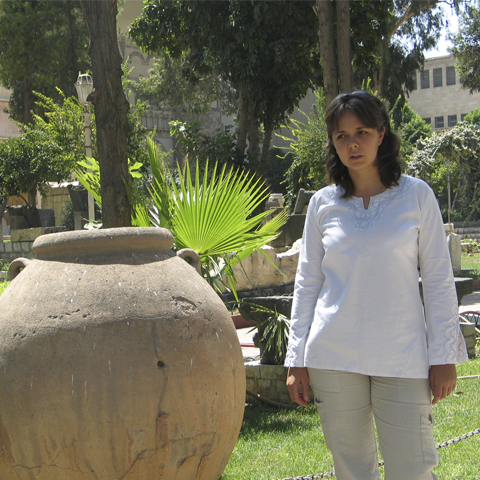
Lunkova Yulia Vladimirovna
Research Fellow at the Bronze Age Archaeology Department, PhD in History
Melnick Valery Iosifovich
Senior Research Fellow at the Bronze Age Archaeology Department, PhD in History

Mimokhod Roman Alekseevich
Senior Research Fellow at the Bronze Age Archaeology Department, PhD in History
Mishina Tatiana Nikolaevna
Head of Postgraduate Studies, Senior Research Fellow at the Department of Bronze Age Archaeology